
 Pin it
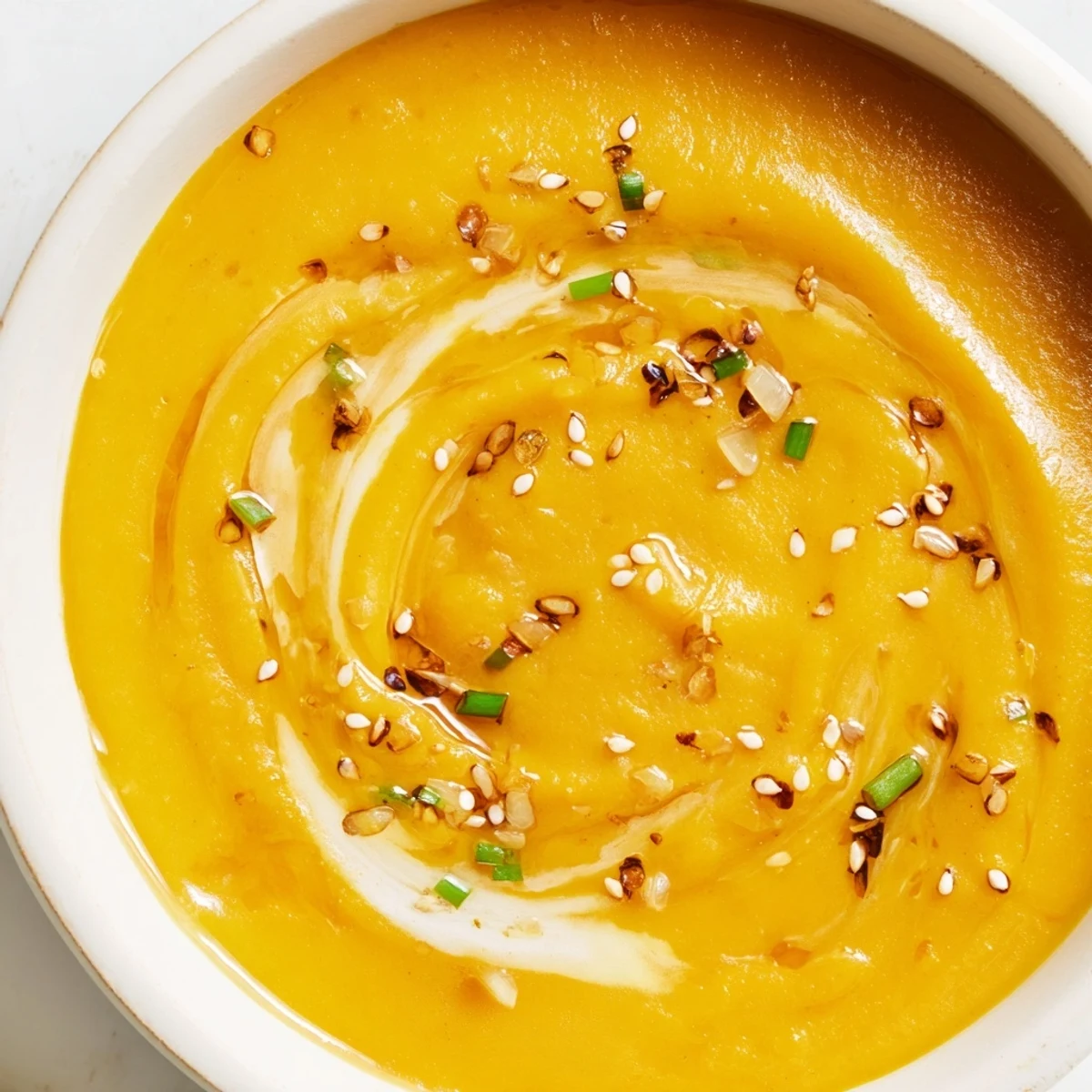
 This vibrant soup starts by sautéing onion, garlic and grated ginger, then simmering sliced carrots in vegetable broth until tender. Purée until silky, return to low heat and whisk in white miso and a splash of soy sauce off the boil to preserve flavor. Adjust seasoning, garnish with scallions and toasted sesame, and serve warm. Yields four generous portions and works well with roasted carrots for extra depth.
The rain was hammering against the kitchen window that Tuesday evening, and I had a bag of carrots staring at me from the counter with zero inspiration attached. On a whim I grabbed the miso paste from the fridge door and a knobby piece of ginger hiding behind the mustard, and twenty minutes later the whole apartment smelled like something far more intentional than it actually was.
I made a double batch for a friend who was going through a rough week, and she texted me three days later asking if it was weird that she had been thinking about that soup at work. Some foods just do that to people.
Ingredients
- 1 lb (450 g) carrots, peeled and sliced: The sweetness of the carrots is the backbone here, so pick ones that look vibrant and firm, not rubbery or pale.
- 1 medium yellow onion, diced: A quiet team player that builds the aromatic base without demanding attention.
- 2 cloves garlic, minced: Fresh garlic matters in this soup because there are so few ingredients and nothing to hide behind.
- 1 inch (2.5 cm) piece fresh ginger, peeled and finely grated: Ginger brings a gentle heat that tingles rather than burns, and grating it fine ensures no stringy surprises in the final blend.
- 4 cups (1 L) low sodium vegetable broth: Low sodium gives you control over the salt level, especially since miso and soy sauce are already salty.
- 1 cup (240 ml) water: Thins the soup just enough so it is silky rather than thick like a puree.
- 3 tbsp white or yellow miso paste: This is where the magic lives, and adding it off the heat keeps its delicate probiotics and flavor intact.
- 1 tbsp olive oil: Just enough to sweat the onions and wake up the aromatics.
- 1 tbsp soy sauce (or tamari for gluten free): A splash of soy sauce deepens the savory notes in a way that salt alone cannot.
- Salt and freshly ground black pepper, to taste: Season at the end after the miso and soy sauce have had their say.
- Optional: chopped scallions, toasted sesame seeds, drizzle of sesame oil: These finishing touches take the soup from good to something you would pay fourteen dollars for at a cafe.
Instructions
- Wake up the onions:
- Heat the olive oil in a large pot over medium heat and add the diced onion, stirring occasionally until it turns translucent and just starts to sweeten the air around you.
- Bloom the aromatics:
- Toss in the minced garlic and grated ginger, stirring constantly for about a minute until your kitchen smells like a tiny Japanese restaurant in the best way.
- Add the carrots:
- Stir in the sliced carrots and let them cook for two to three minutes so they pick up a little color and start softening at the edges.
- Simmer everything together:
- Pour in the vegetable broth and water, bring it to a boil, then lower the heat and let it simmer for fifteen to twenty minutes until the carrots are fork tender and offering no resistance.
- Blend until silky:
- Remove the pot from heat and use an immersion blender or carefully transfer to a countertop blender, blending until the soup is completely smooth and velvety.
- Stir in the miso:
- Return the soup to the pot if needed, then whisk in the miso paste and soy sauce over gentle heat, never letting it boil because boiling miso kills both its flavor and its beneficial qualities.
- Season and serve:
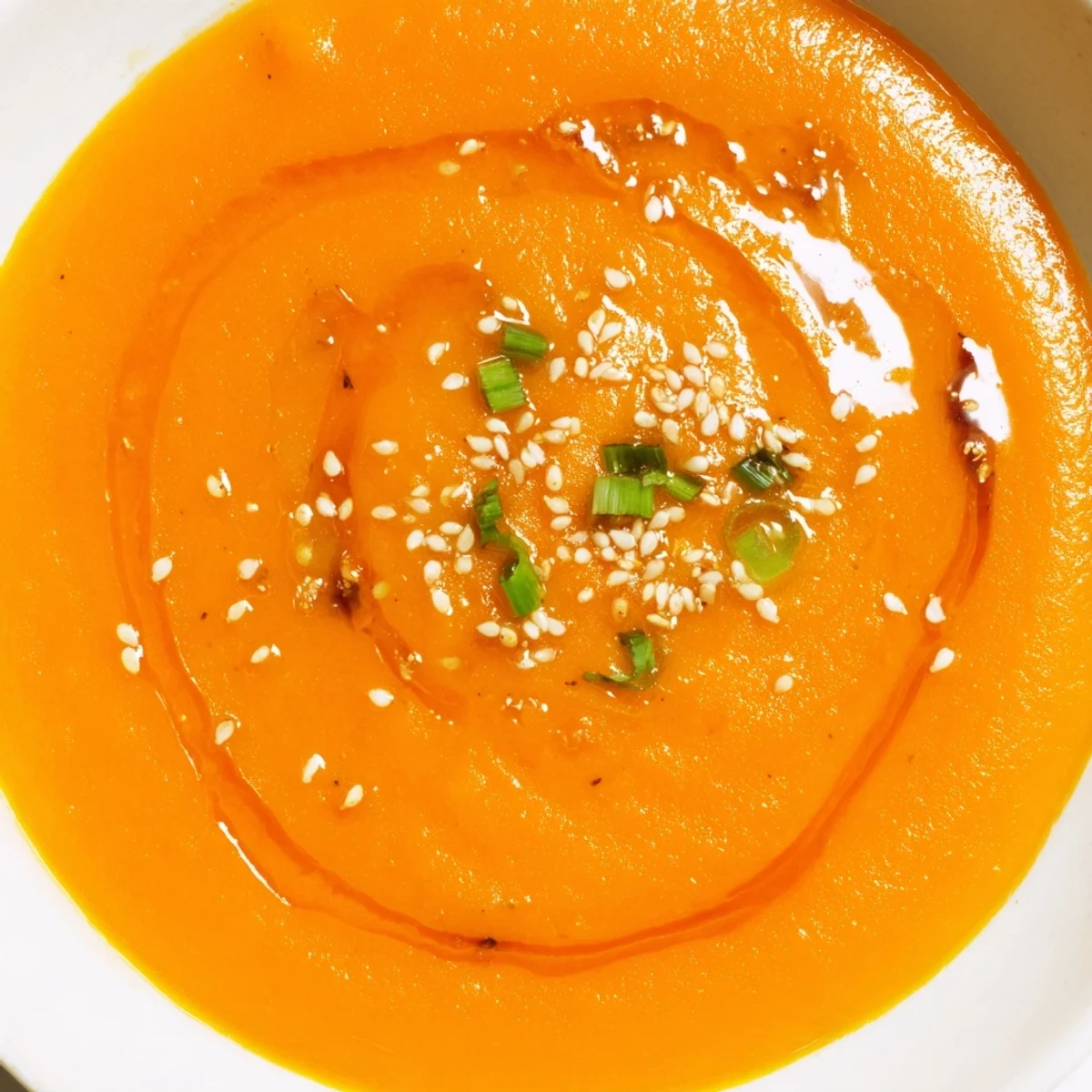
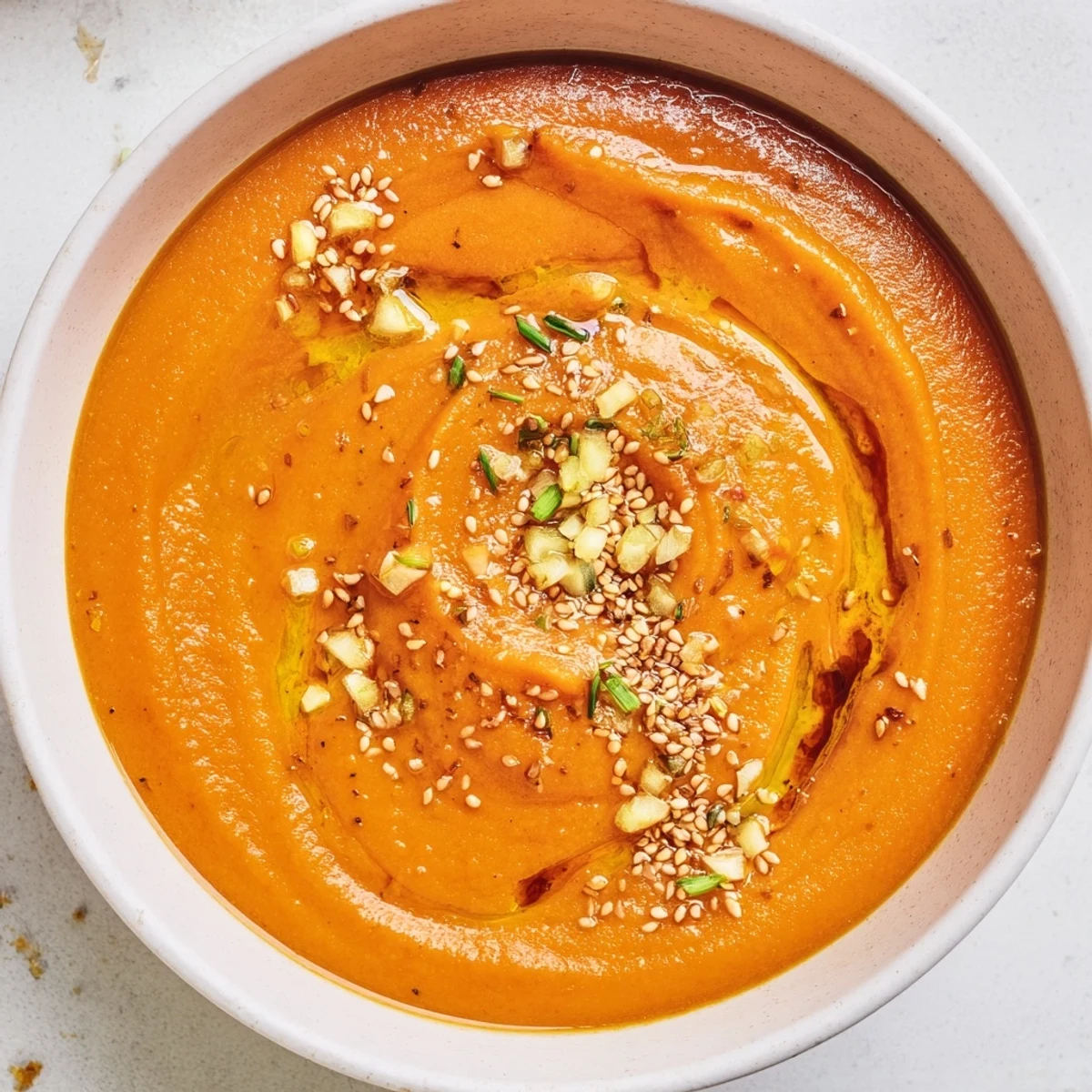
- Taste the soup and add salt and pepper as needed, then ladle into bowls and finish with scallions, sesame seeds, or a drizzle of sesame oil if you are feeling fancy.
 Pin it
 The first time I served this at a small dinner party, the conversation stopped entirely for about three minutes, which is the highest compliment any home cook can receive.
A Few Words on Miso
White miso is mild and slightly sweet, while yellow sits in the middle, and red miso brings a punchy, earthy depth that can completely change the personality of this soup. I keep two kinds in my fridge at all times because they last forever and each one turns the same ingredients into something surprisingly different.
Blending Without a Mess
If you are using a countertop blender, never fill it more than halfway with hot soup and always hold the lid down with a towel to avoid a orange explosion on your ceiling. An immersion blender is the safer route and saves you the dishwashing, but either method gets you to the same silky destination.
What to Serve Alongside
This soup loves company, and a slice of thick crusty bread for dunking turns it from a starter into a real meal.
- Steamed rice spooned right into the bowl adds heartiness and turns leftovers into something new the next day.
- A swirl of coconut milk on top creates a beautiful presentation and a creamy contrast to the ginger bite.
- Microgreens scattered on top make it look like you tried much harder than you actually did.
 Pin it
 Keep a batch in the fridge and you will find yourself reaching for it on the nights when cooking feels like too much but you still want something warm and good. Some soups are just like that.
Recipe FAQs
- → Can I use red miso instead of white?
-
Yes. Red miso will give a deeper, earthier flavor and darker color; start with a smaller amount and taste as you go to avoid overpowering the vegetables.
- → How do I keep the miso's flavor and nutrients?
-
Stir the miso in off the heat or over very low heat and avoid boiling after adding it. Gentle warming preserves the delicate umami and beneficial enzymes.
- → Is there a gluten-free option?
-
Use certified gluten-free miso and tamari in place of soy sauce. Check labels carefully, as some miso pastes and condiments can contain barley or wheat.
- → Can I roast the carrots first?
-
Roasting concentrates sweetness and adds caramelized notes. Roast at 200°C/400°F until tender and lightly browned, then simmer in the broth before blending for richer depth.
- → What if I don’t have an immersion blender?
-
Use a countertop blender in batches, filling only two-thirds full and venting the lid slightly. Cover with a towel to prevent splatters and blend until completely smooth.
- → How should I store and reheat leftovers?
-
Cool completely and refrigerate in an airtight container for up to 3 days, or freeze for up to 2 months. Reheat gently on the stovetop and avoid bringing to a boil after adding miso.
