
 Pin it
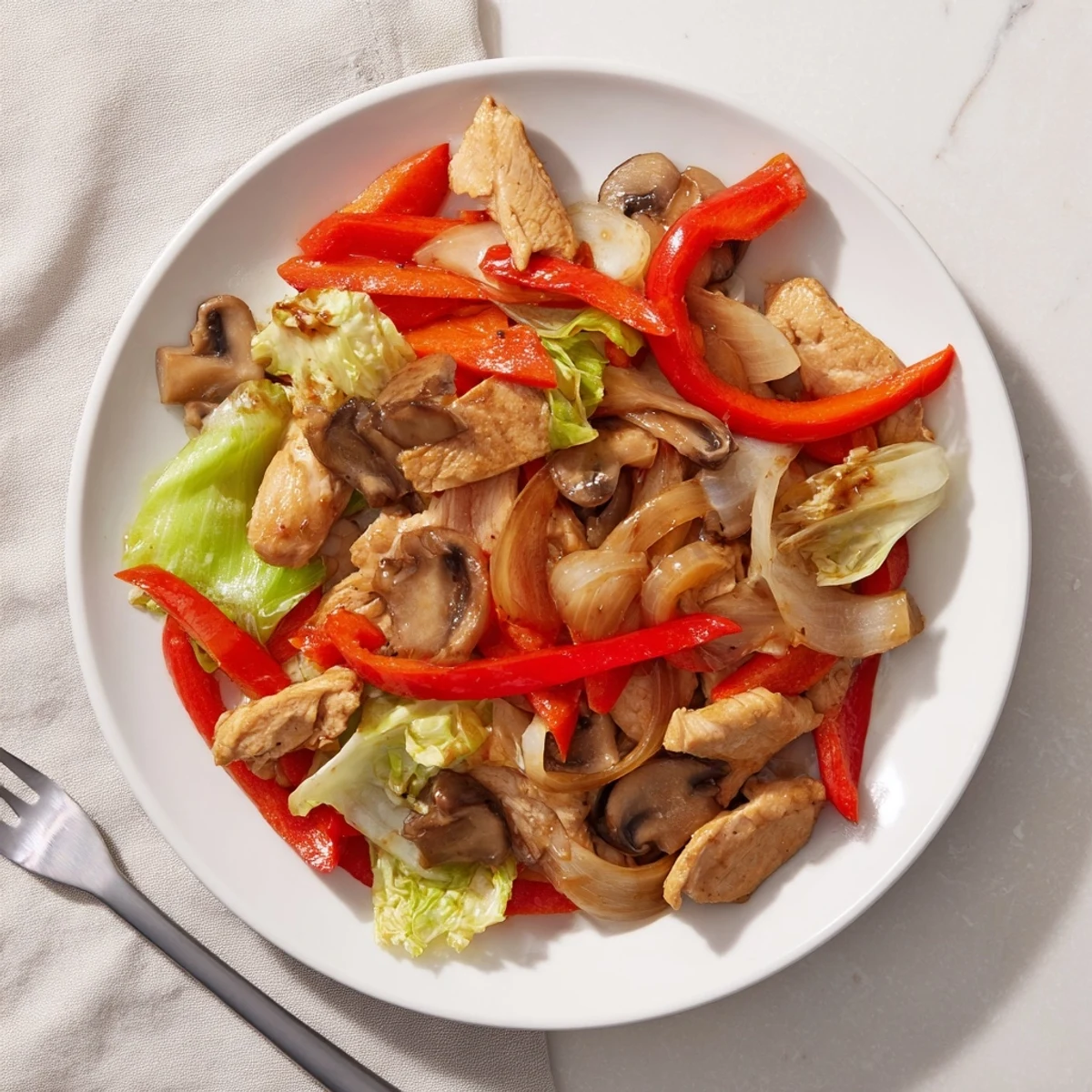
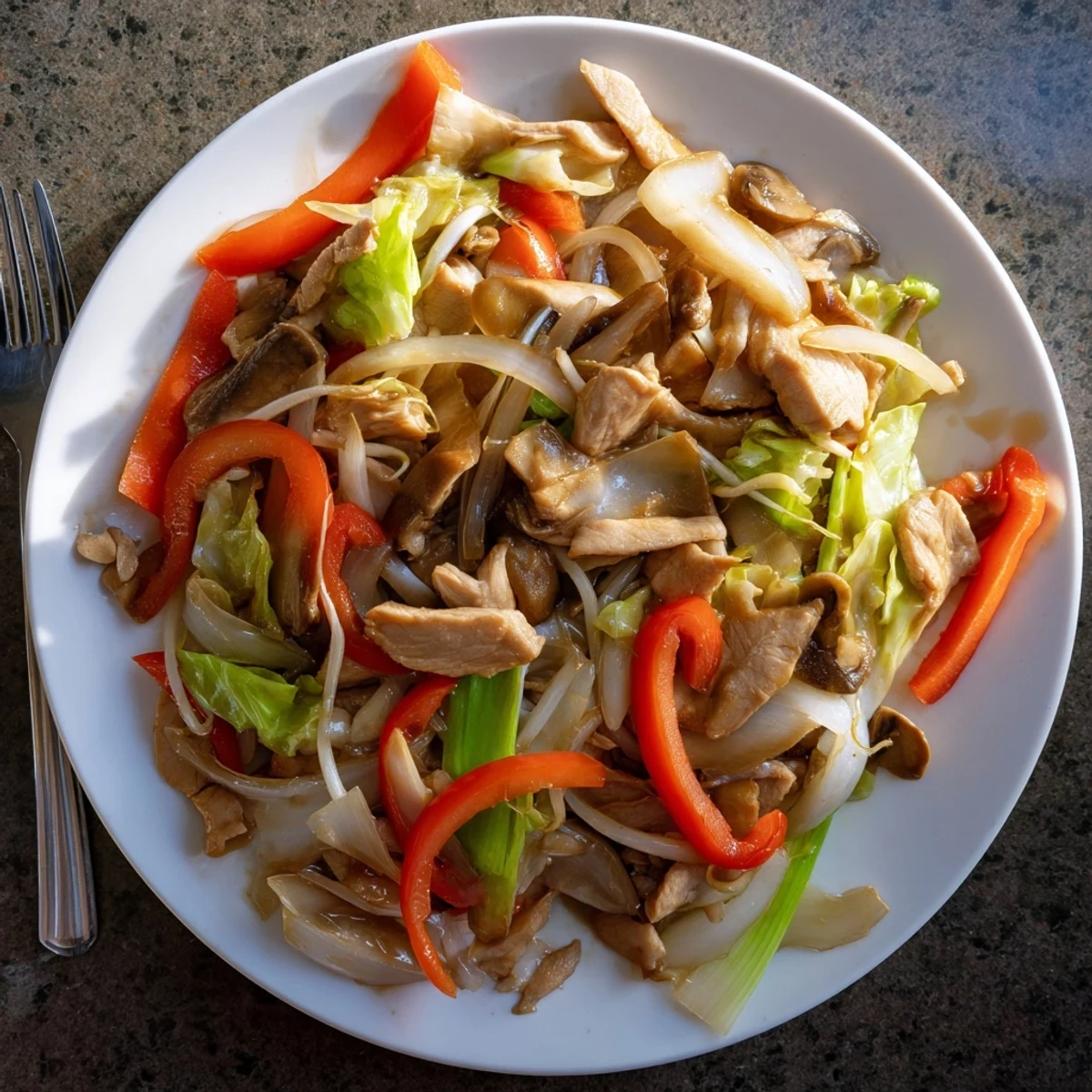
 This classic Chinese-American stir-fry combines tender slices of chicken or pork with an array of crisp vegetables including bell peppers, bean sprouts, napa cabbage, and celery. The savory sauce blends soy sauce, oyster sauce, and sesame oil for that signature umami flavor. Everything comes together in a hot wok, creating a perfect balance of textures and tastes. Serve over steamed jasmine rice or chow mein noodles for a complete meal that's both nourishing and deeply satisfying.
The steam rising from my wok always reminds me of tiny restaurant kitchens where chefs move like dancers, flames leaping, metal singing. Chop Suey gets dismissed as inauthentic, but that criticism misses the point entirely. This dish exists because immigrants adapted, creating something new and wonderful from available ingredients. Thats a story worth celebrating.
My roommate in college made Chop Suey every Tuesday night because thats when the local market discounted their produce. We never measured anything, just threw in whatever looked sad and needed rescuing. Those imperfect Tuesday meals taught me more about improvisational cooking than any cookbook ever has.
Ingredients
- 300 g boneless chicken breast or pork: Slice against the grain into thin strips for even cooking, or use firm tofu pressed and cubed
- 1 medium onion, 1 red bell pepper, 1 cup bean sprouts, 1 cup napa cabbage, 2 celery stalks, 1 medium carrot, 100 g mushrooms: This colorful combination provides texture and sweetness, but substitute freely based on what you have
- 2 garlic cloves, 1 teaspoon fresh ginger: These aromatics form the flavor foundation, so use fresh garlic and grate the ginger to release its oils
- 3 tablespoons soy sauce, 1 tablespoon oyster sauce, 1 tablespoon cornstarch, 1 tablespoon rice wine, 1 teaspoon sesame oil, 150 ml broth: Whisk this sauce mixture ahead of time because cornstarch clumps if added last minute
- 2 tablespoons vegetable oil, salt and pepper: Use a neutral oil with high smoke point, and season in layers rather than all at once
Instructions
- Whisk your sauce base:
- Combine soy sauce, oyster sauce, cornstarch, rice wine, sesame oil, and broth in a small bowl until smooth. The cornstarch needs to dissolve completely to avoid lumpy sauce later.
- Cook your protein first:
- Heat half the oil in a wok over medium-high heat, add seasoned meat, and stir-fry for 3-4 minutes until just cooked through. Remove it promptly so it doesnt dry out while vegetables cook.
- Build flavor with aromatics:
- Add remaining oil to the hot wok, then sauté garlic and ginger for just 30 seconds until fragrant. Watch closely because burned garlic turns unpleasantly bitter.
- Add vegetables in stages:
- Start with onions, carrots, celery, and bell pepper for 2-3 minutes, then add mushrooms and cabbage for another 2 minutes. Harder vegetables need more time while delicate ones cook quickly.
- Combine everything:
- Return protein to the wok, pour in your sauce, and toss to coat before adding bean sprouts for the final minute. The sauce should thicken beautifully and cling to every piece.
 Pin it
 Last winter, my neighbor texted at 7pm saying her family needed cheering up after bad news. I threw this together using only what I had in the fridge. She messaged later that her daughter asked when I could come live with them permanently.
The Art of Vegetable Timing
Not all vegetables cook at the same speed, and recognizing this difference transforms average stir-fry into restaurant-quality results. Dense vegetables like carrots and celery need head starts, while delicate bean sprouts barely need any heat at all. Think of it as orchestrating a performance where every instrument enters at precisely the right moment.
Making It Your Own
Chop Suey evolved from resourcefulness, and that spirit should guide your version too. Snow peas, bok choy, water chestnuts, or bamboo shoots all work beautifully here. The sauce provides consistent flavor while the vegetables change based on season, budget, or whats threatening to expire in your refrigerator.
Serving Suggestions
Steamed jasmine rice absorbs the sauce beautifully, but chow mein noodles offer a completely different and equally satisfying experience. The contrast between hot stir-fry and cool, crisp sides creates a more interesting meal.
- Try a quick cucumber salad dressed with rice vinegar on the side
- Fresh spring rolls add refreshing crunch to this warm dish
- Hot tea cuts through the richness better than ice water ever could
 Pin it
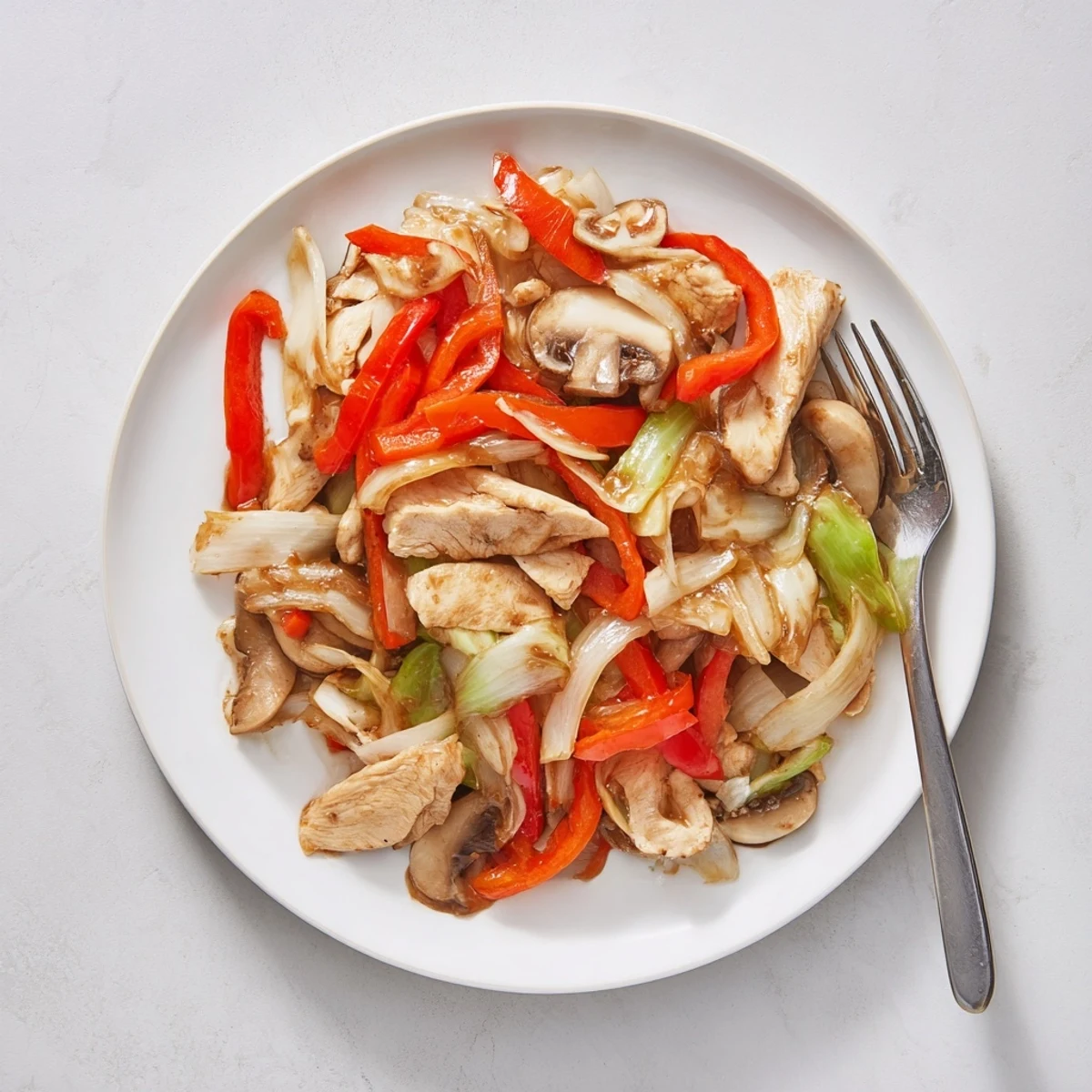
 This dish has fed countless families through busy weeknights and tight budgets, proving that adaptation creates its own authenticity.
Recipe FAQs
- → What vegetables work best in Chop Suey?
-
Classic Chop Suey features bean sprouts, napa cabbage, bell peppers, celery, carrots, and onions. You can also add water chestnuts, bamboo shoots, or snap peas for extra crunch and texture variety.
- → Can I make Chop Suey vegetarian?
-
Absolutely. Substitute the chicken or pork with firm tofu, and replace oyster sauce with a vegetarian mushroom-based alternative. The result is just as flavorful and satisfying.
- → What's the difference between Chop Suey and Chow Mein?
-
Chop Suey is a stir-fried vegetable and meat dish served over rice, while Chow Mein features noodles as the main ingredient. Both share similar flavor profiles and Chinese-American origins.
- → How do I get restaurant-style sauce consistency?
-
The cornstarch in the sauce mixture is key—it thickens as it heats. Whisk all sauce ingredients thoroughly before adding to the wok, and continue stirring for 1-2 minutes until the sauce coats the back of a spoon.
- → What protein alternatives can I use?
-
Beyond chicken and pork, try beef strips, shrimp, or diced firm tofu. For a seafood version, combine shrimp with scallops. Adjust cooking times accordingly—seafood cooks faster than meat.
