
 Pin it
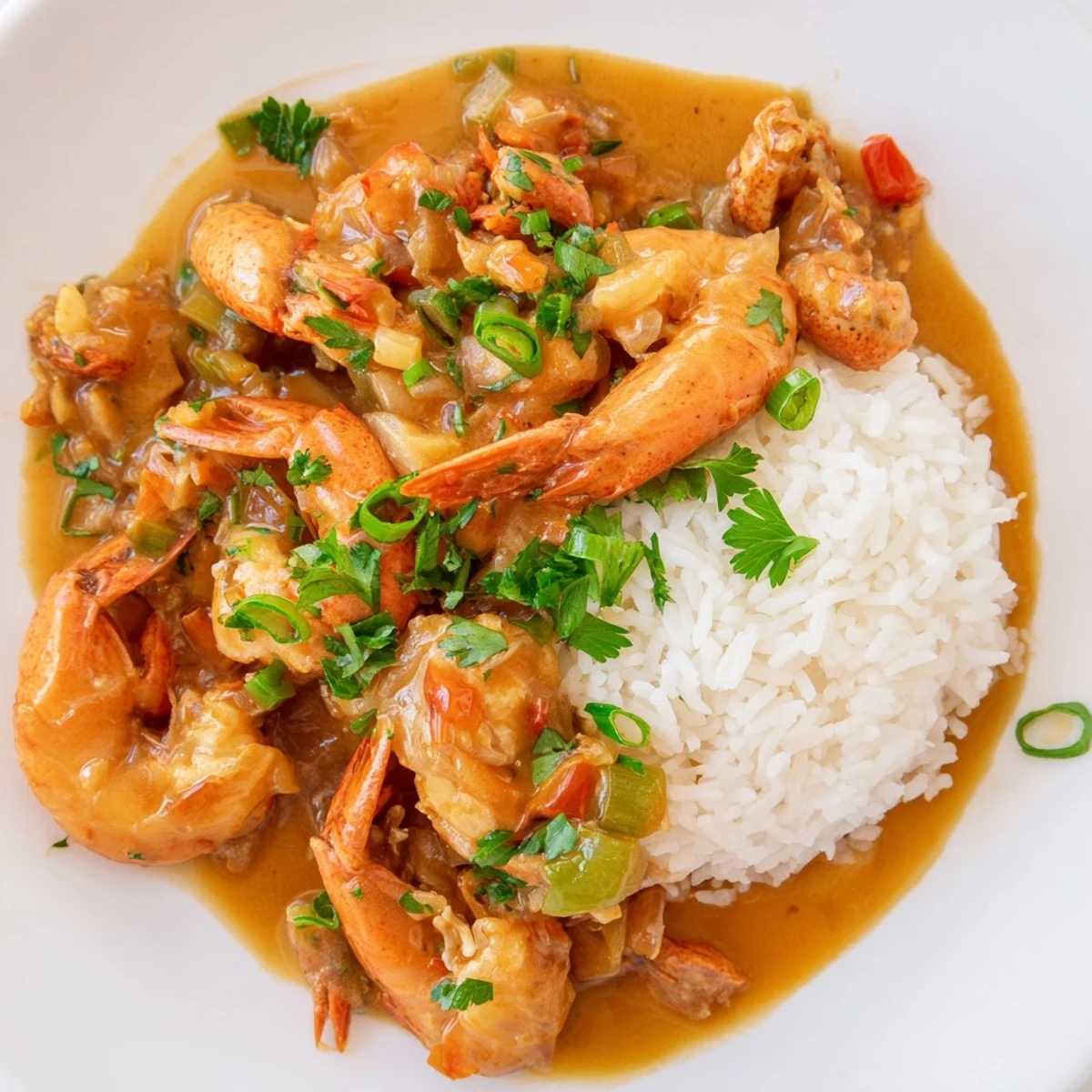
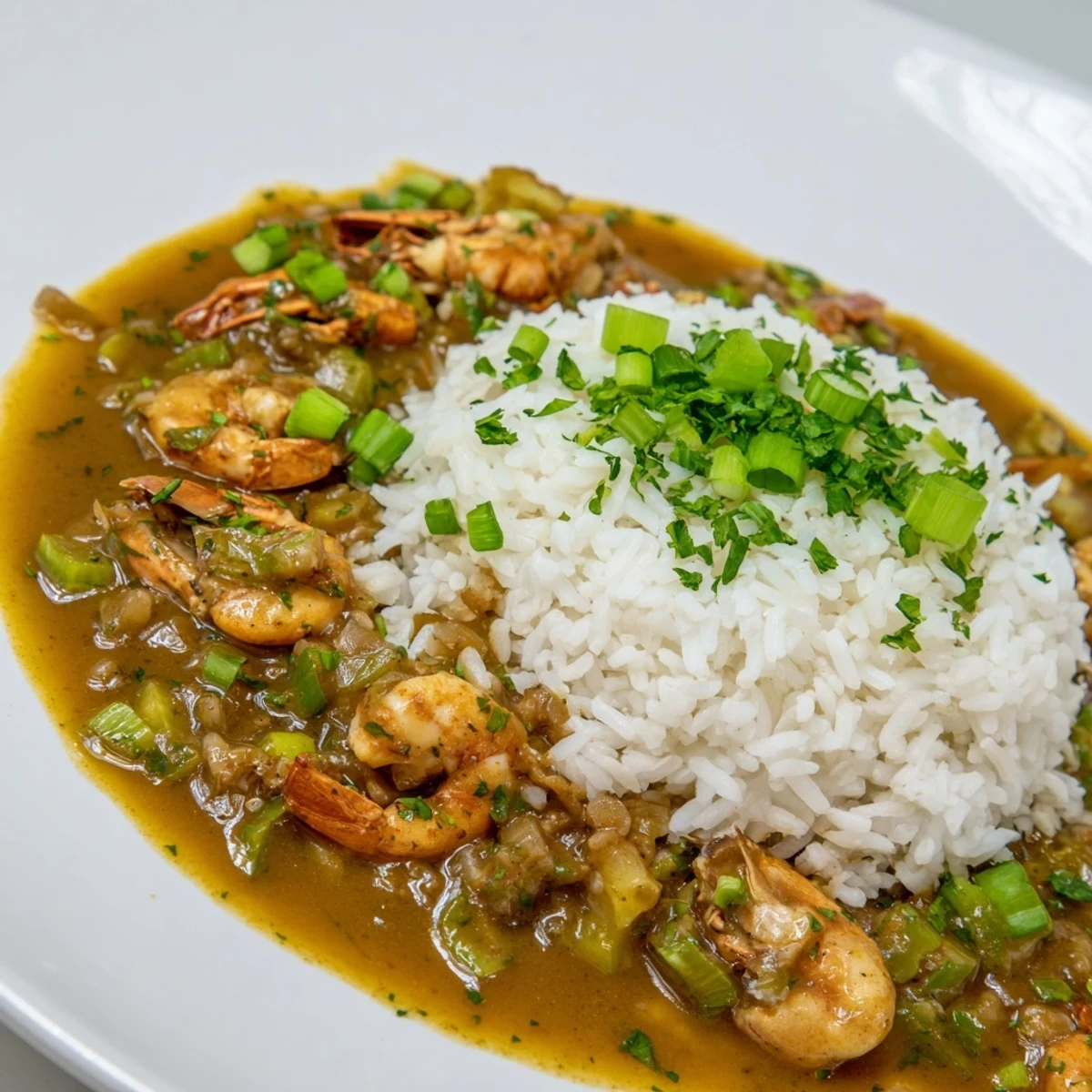
 This dish features tender crawfish tails simmered in a flavorful, roux-based sauce infused with onions, bell peppers, celery, and spices. Paired with fluffy white rice, the étouffée balances comforting textures and bold Cajun flavors. The roux is cooked to a light caramel color before combining with savory stock and aromatic seasonings, then slowly simmered until rich and smooth. Garnished with fresh parsley and green onions, it offers a satisfying, medium-difficulty cooking experience representative of Louisiana culinary tradition.
My first real introduction to étouffée happened at a tiny hole in the wall restaurant in Breaux Bridge, Louisiana, where the owner warned me about the heat level while winking. That bowl of rusty colored sauce over rice changed everything I thought I knew about comfort food. Now whenever the weather turns even slightly cool, I find myself reaching for butter and flour without even thinking about it.
Last Mardi Gras, I made a triple batch for friends who had never tried Cajun food beyond gumbo packets. Watching them go quiet after that first bite, then immediately reach for seconds, reminded me why some dishes become classics. Someone actually licked their bowl clean, and I considered that a personal victory.
Ingredients
- 1 lb crawfish tails: Fresh or frozen works, but thaw completely and pat dry before cooking
- 4 tbsp unsalted butter: This forms the foundation of your roux, so dont substitute
- 1/4 cup all-purpose flour: The roux thickener that gives étouffée its signature body
- 1 medium onion: Finely chopped so it melts into the sauce
- 1 green bell pepper: Part of the holy trinity of Cajun cooking
- 2 celery stalks: Provides that subtle aromatic backbone
- 3 garlic cloves: Minced fresh adds the best punch
- 1 can diced tomatoes: Drained well to maintain the sauce consistency
- 2 cups seafood or chicken stock: Homemade stock makes this sing but store bought works
- 2 tsp Cajun seasoning: Adjust up or down based on your heat tolerance
- 1/2 tsp smoked paprika: Adds that gorgeous color and subtle smokiness
- 1/2 tsp dried thyme: Brings an earthy note that grounds the spice
- 1/4 tsp cayenne pepper: Optional but recommended for that authentic Louisiana kick
- 2 bay leaves: Remove them before serving, I promise theyve done their job
- Salt and black pepper: Taste as you go, the roux needs proper seasoning
- 2 tbsp fresh parsley: Adds brightness and color at the end
- 2 green onions: Sliced thin for that final fresh bite
- 1 1/2 cups long-grain white rice: Rinse until water runs clear for fluffiest results
- 3 cups water: For cooking the rice perfectly
- 1/2 tsp salt: Just enough to season the rice without overpowering
Instructions
- Get your rice going first:
- Rinse the rice in cold water until it runs clear, then bring water and salt to a boil before adding rice. Stir once, reduce heat to low, cover tightly, and let it work its magic for 15 minutes without peeking. Turn off the heat and let it steam for 5 more minutes before fluffing with a fork.
- Build your roux foundation:
- Melt butter in a large skillet or Dutch oven over medium heat until it stops foaming. Sprinkle in flour gradually while whisking constantly, cooking until the mixture turns a light caramel color and smells nutty. This takes about 5 to 7 minutes and cannot be rushed, so put on some music and settle in.
- Add the holy trinity:
- Toss in your onion, bell pepper, and celery once the roux is ready. Cook this mixture for about 5 minutes until the vegetables soften and start to become fragrant. Stir in the garlic and let it cook for just one minute more until you can really smell it.
- Season and simmer:
- Add the drained tomatoes, Cajun seasoning, paprika, thyme, cayenne, bay leaves, and a generous pinch of salt and pepper. Pour in the stock gradually while stirring constantly to prevent any lumps from forming. Bring everything to a gentle simmer and let it cook for 10 minutes, stirring occasionally.
- Add the crawfish:
- Gently fold in the crawfish tails and cook for 5 to 7 minutes until theyre heated through and the flavors have started to meld. Fish out the bay leaves and stir in the fresh parsley and green onions. Taste and adjust the seasoning if it needs more salt or heat.
- Serve it up:
- Spoon generous portions of the étouffée over mounds of that fluffy white rice you made earlier. Garnish with extra parsley or green onions if you want it to look as good as it tastes.
 Pin it
 This recipe became my go to for friends going through tough times. Something about that rich, warming sauce over simple rice feels like a hug in bowl form, and I've learned that food really does have healing power.
The Roux Makes All The Difference
I've burnt more roux than I care to admit, usually because I got distracted by a phone call or tried to multitask. The color shift from pale to golden to caramel happens fast once it gets going. Stay present during those 5 to 7 minutes, whisking constantly, and trust your nose more than your eyes. When it starts smelling like toasted nuts, you're exactly where you need to be.
Stock Secrets
Homemade seafood stock transforms this dish from really good to unforgettable. Save shrimp shells and crawfish heads in your freezer until you have enough, then simmer them with onion, celery, and bay leaves for an hour. If that sounds like too much work, a good quality store bought stock still yields excellent results. The key is using stock that you would happily drink on its own.
Make Ahead Magic
Étouffée actually tastes better the next day, which makes it perfect for meal prep or entertaining. Make the sauce up to two days in advance and store it in the refrigerator. Reheat it gently over low heat, adding a splash of water or stock if it has thickened too much. Make fresh rice when you're ready to serve, because leftover rice never quite regains that perfect fluffy texture.
- Let the roux cool slightly before adding stock to prevent splattering
- Taste your crawfish before adding them, as some come pre seasoned
- Always make more rice than you think you need, people always go back for seconds
 Pin it
 There's something deeply satisfying about making a dish that has fed families for generations. Every time I make étouffée, I'm connected to all those Louisiana kitchens before mine, and that feels like a kind of magic.
Recipe FAQs
- → What type of rice complements crawfish étouffée best?
-
Long-grain white rice is preferred for its fluffy texture and ability to absorb the rich sauce without becoming mushy.
- → Can I substitute the crawfish tails with another seafood?
-
Yes, shrimp makes an excellent substitute and works well with the same seasoning and cooking method.
- → How is the roux prepared to achieve its signature flavor?
-
The roux is cooked slowly until it reaches a light caramel color, which develops a nutty depth essential to the dish's rich profile.
- → What spices enhance the traditional Cajun flavor in the dish?
-
Cajun seasoning, smoked paprika, dried thyme, and a touch of cayenne pepper create the layered, spicy taste characteristic of this dish.
- → How do I ensure the rice is perfectly fluffy for serving?
-
Rinse the rice thoroughly before cooking and let it steam off the heat after cooking. Fluff gently with a fork before serving.
