
 Pin it
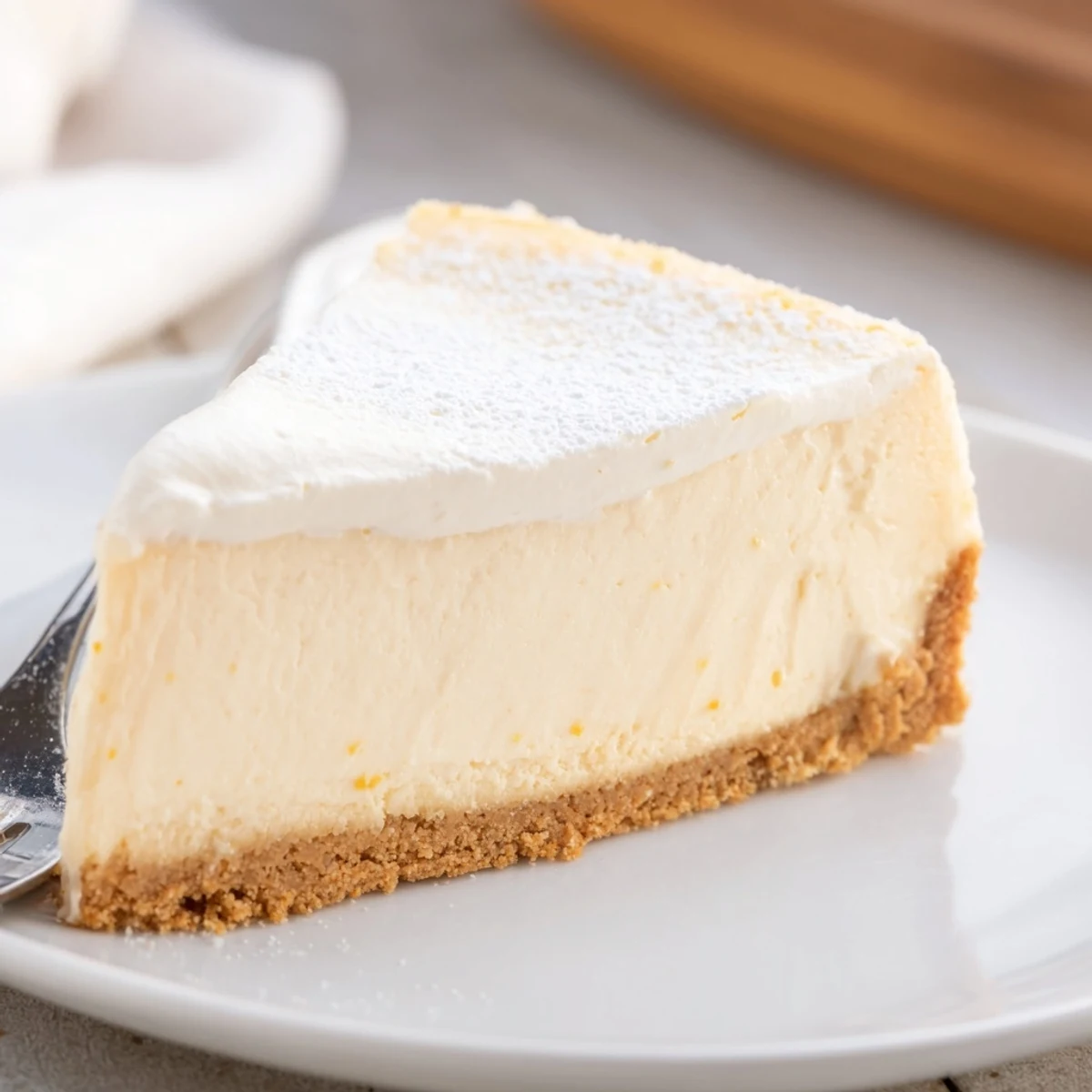
 This classic American baked cheesecake features a buttery graham cracker crust pressed into a springform pan, topped with a velvety cream cheese filling blended with sour cream, vanilla, and a hint of lemon zest.
Baked low and slow at 160°C until perfectly set with a slight jiggle in the center, then cooled gradually in the oven to prevent cracking. An optional sour cream topping adds a tangy finish.
After chilling for at least six hours, preferably overnight, the result is a dense, silky dessert that serves twelve. Pair with fresh berries, fruit compote, or a drizzle of chocolate sauce.
The rain was hammering against the kitchen window the afternoon I decided my fear of cheesecake had gone on long enough. Id watched one too many baking shows where contestants wept over cracked centers and sunken middles, and honestly that intimidation kept me away for years. Turns out the whole secret is patience, not talent. This recipe is the one that finally proved my kitchen anxiety wrong.
I brought this to a friends potluck last winter and three people pulled me aside to ask if I had secretly ordered it from a restaurant. My neighbor Linda actually guessed it cost forty dollars from some downtown bakery, and I just smiled and said nothing because honestly that felt incredible.
Ingredients
- Graham crackers (200 g): Digestive biscuits work just as well if that is what your pantry offers, just crush them finely for an even crust.
- Unsalted butter, melted (100 g): This binds the crumbs and creates that satisfying snap when you cut the first slice.
- Sugar (2 tbsp, for crust): A small amount that rounds out the biscuit flavor without making it sweet.
- Cream cheese, softened (900 g): Full fat is non negotiable here, and it must be properly room temperature or you will fight lumps the entire time.
- Granulated sugar (200 g): This sweetens the filling generously without tipping into cloying territory.
- Large eggs (4): Add them one at a time and mix gently, overbeating is the enemy of a smooth cheesecake.
- Sour cream (200 ml): The secret to that tender, slightly tangy filling that keeps people coming back for another slice.
- All purpose flour (40 g): Just enough to stabilize the filling and help it set without turning cakey.
- Vanilla extract (2 tsp): Use the real stuff if you can, the flavor difference is noticeable here since vanilla is a star player.
- Lemon zest (from 1 lemon, optional): I always include it because a little brightness makes the richness sing.
- Sour cream for topping (250 g): This traditional finish adds a beautiful creamy layer and hides any imperfections.
- Powdered sugar (2 tbsp): Sweetens the topping gently without any graininess.
- Vanilla extract (1 tsp, for topping): A final aromatic touch for the crown of the cake.
Instructions
- Prep your pan and oven:
- Heat the oven to 160C (325F) and line your springform pan with parchment. Wrap the outside of the pan in foil if you want a water bath later, it prevents cracks like nothing else.
- Build the crust:
- Crush the biscuits until they resemble fine sand, then stir in the sugar and melted butter until everything is evenly coated. Press firmly into the bottom of the pan and up the sides slightly, then bake for 10 minutes until fragrant and golden.
- Make the filling:
- Beat the softened cream cheese and sugar together until completely smooth, scraping the bowl often. Add eggs one at a time mixing on low speed, then fold in the sour cream, flour, vanilla, and lemon zest until just combined and no more.
- Pour and bake:
- Spread the filling over the cooled crust and tap the pan gently on the counter to coax out trapped air bubbles. Bake for 50 to 60 minutes until the edges are set but the center still has a gentle wobble when you shake it.
- Cool slowly inside the oven:
- Turn the oven off, crack the door open, and let the cheesecake sit inside for a full hour. This slow cooling is the single best thing you can do to prevent cracks.
- Add the topping if using:
- Mix the sour cream, powdered sugar, and vanilla together and spread it over the warm cheesecake in an even layer.
- Chill thoroughly:
- Refrigerate for at least 6 hours or preferably overnight. Run a warm knife around the edge before releasing the springform pan.
 Pin it
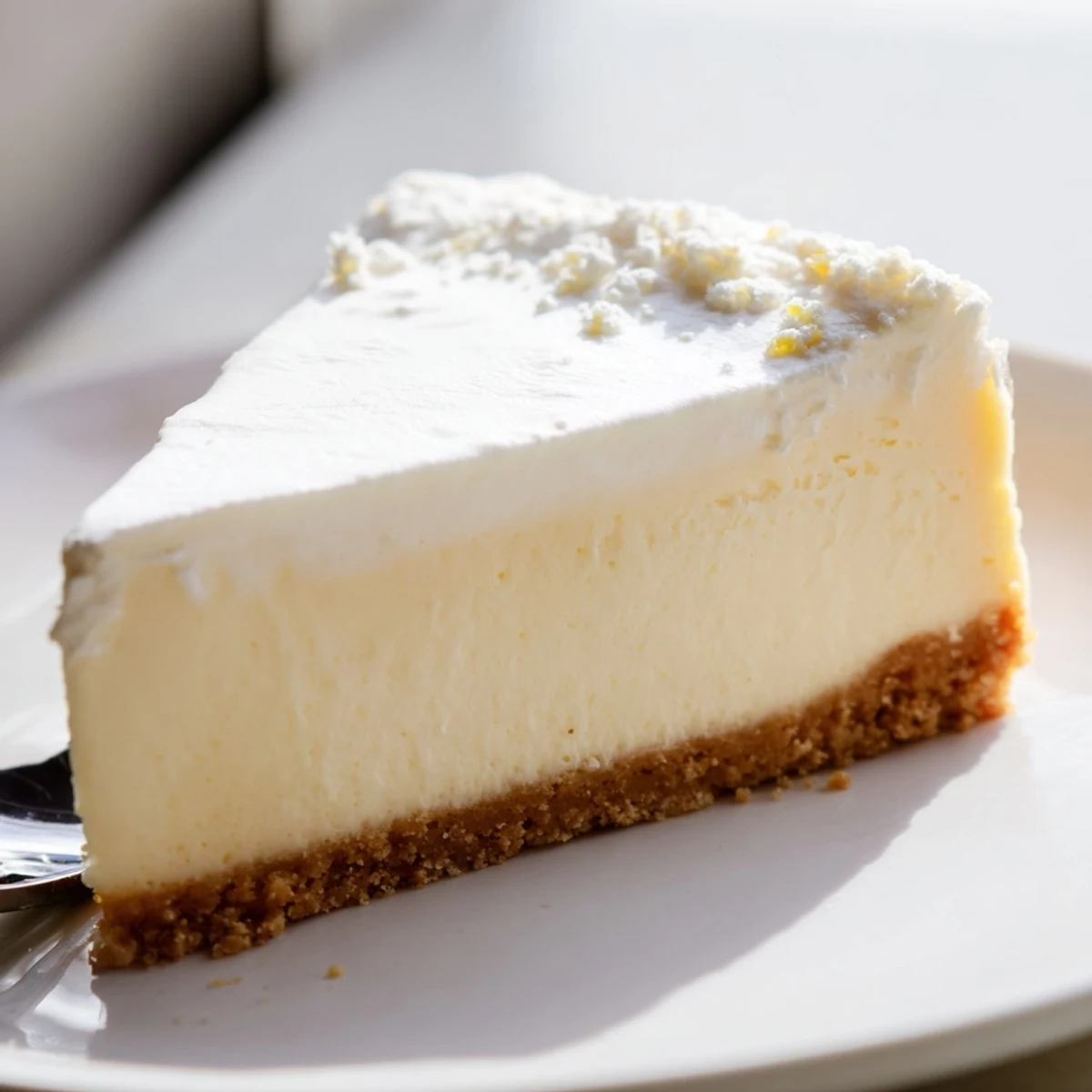
 The moment I released the springform ring and saw a pristine, uncracked cheesecake sitting there, I actually laughed out loud in an empty kitchen. It felt like passing a test I had been dreading for years.
When Things Go Sideways
My first attempt cracked so badly across the top that I contemplated throwing it away and pretending it never happened. Instead I piled on the sour cream topping and some fresh strawberries and nobody ever knew. That is the beautiful thing about this dessert, it forgives you generously.
Serving and Pairing Ideas
A drizzle of warm berry compote over a cold slice is honestly one of the best texture contrasts in the dessert world. Fresh raspberries and a glass of chilled Moscato turn a casual Tuesday slice into something that feels intentionally celebratory.
Storage and Make Ahead Notes
This cheesecake actually tastes better on the second day, which makes it the ideal make ahead dessert for gatherings and dinner parties.
- Wrap it tightly in plastic wrap and it will keep beautifully in the fridge for up to five days.
- You can freeze individual slices wrapped in foil for up to a month, just thaw overnight in the refrigerator.
- Always cut with a clean hot knife for bakery perfect slices every time.
 Pin it
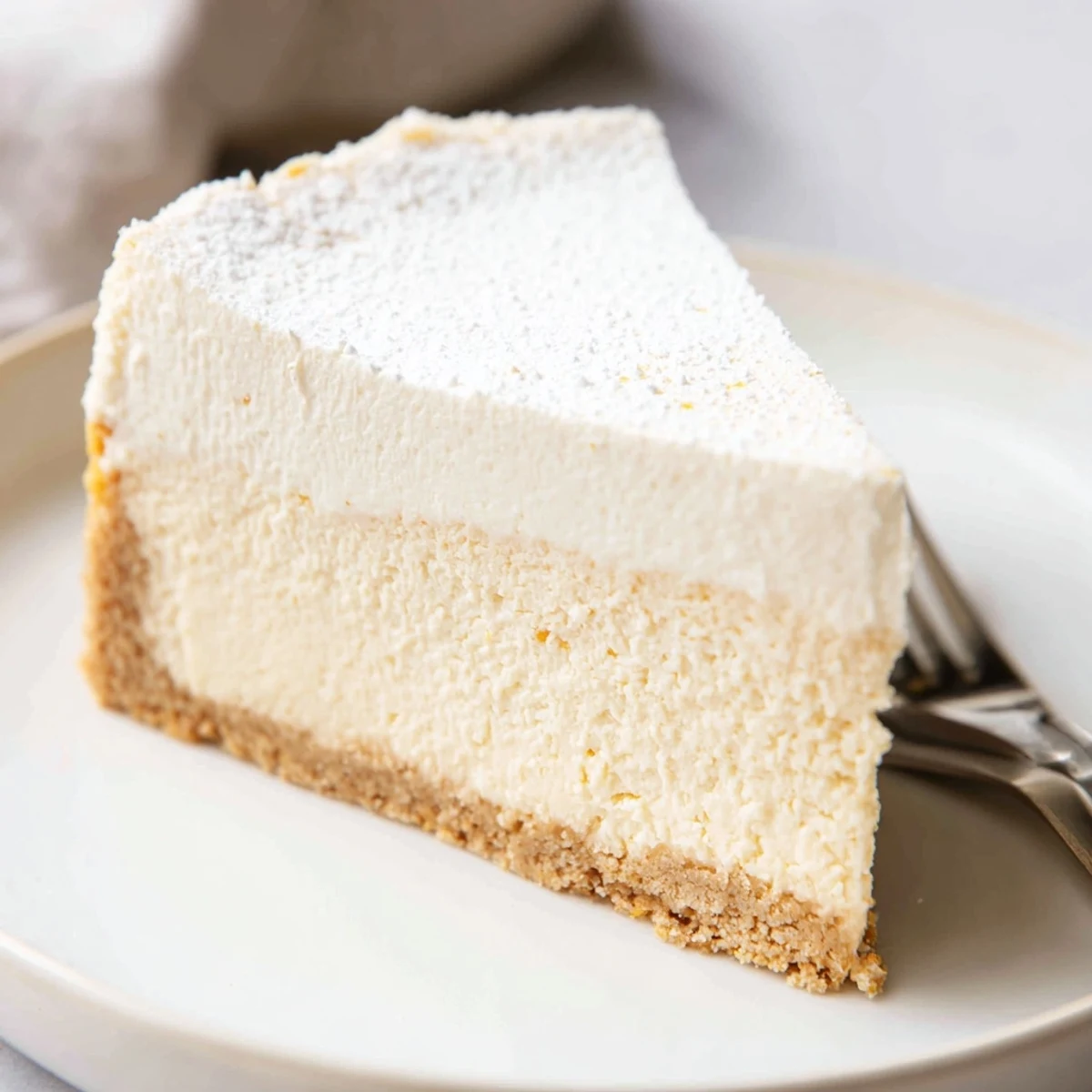
 Every time I make this cheesecake now, I remember that rainy afternoon when I finally stopped being afraid of dessert. It has become my most requested recipe and honestly, I never get tired of watching someones eyes close after that first bite.
Recipe FAQs
- → Why does my cheesecake crack on top?
-
Cracks usually form from overbaking, sudden temperature changes, or overmixing the batter which incorporates too much air. Bake until the edges are set but the center still has a slight jiggle, and cool it gradually in the oven with the door cracked open.
- → Can I make cheesecake without a springform pan?
-
A springform pan is strongly recommended for easy removal, but you can use a regular deep cake pan lined with parchment paper with overhanging edges. Lift the cheesecake out carefully using the parchment edges once fully chilled and set.
- → How long should cheesecake chill before slicing?
-
Allow at least six hours of chilling time, though overnight is ideal. This resting period allows the cheesecake to fully set and develop its signature dense, creamy texture. Cutting too soon results in a soft, gummy slice.
- → Should cream cheese be at room temperature?
-
Yes, softened cream cheese is essential for a smooth, lump-free filling. Let it sit at room temperature for about one hour before mixing. Cold cream cheese will not blend properly and will leave unpleasant chunks throughout the batter.
- → Can I freeze leftover cheesecake?
-
Absolutely. Wrap individual slices tightly in plastic wrap, then place in an airtight container or freezer bag. Frozen cheesecake keeps well for up to three months. Thaw overnight in the refrigerator before serving.
- → What toppings go well with cheesecake?
-
Fresh berries, strawberry or cherry compote, chocolate ganache, caramel sauce, and lemon curd are all excellent choices. A simple sour cream topping with powdered sugar and vanilla is traditional and balances the richness beautifully.
