
 Pin it
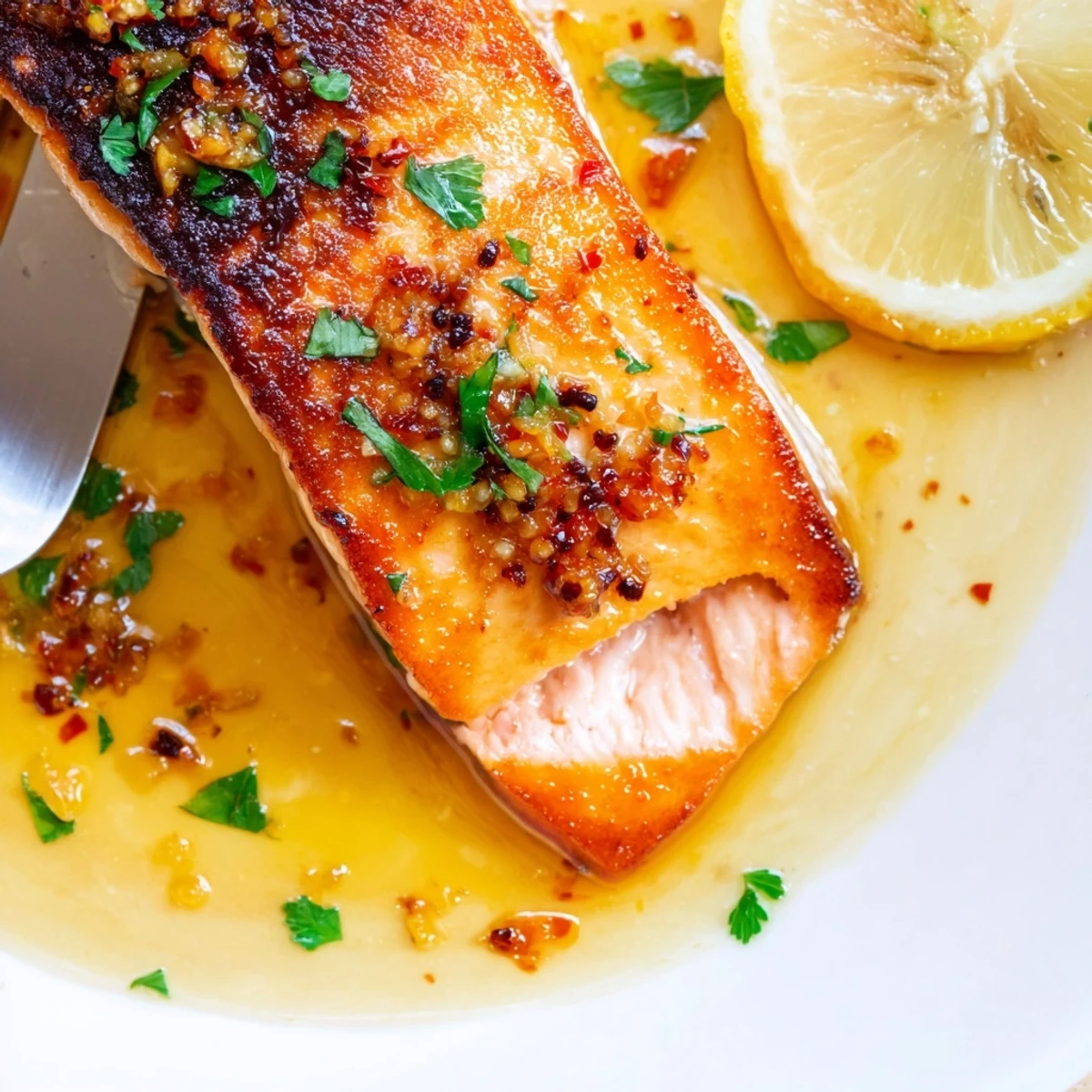
 This garlic butter salmon brings together tender, flaky fillets with a luscious pan sauce made from melted butter, minced garlic, fresh lemon juice, and parsley. The salmon is seared skin-side down until perfectly crispy, then basted in the aromatic butter mixture for maximum flavor.
Ready in just 25 minutes with 10 minutes of prep, it's an ideal choice for both busy weeknights and special gatherings. Serve alongside steamed vegetables, fluffy rice, or roasted potatoes for a complete, satisfying meal.
The sizzle of butter hitting a hot pan is my favorite sound in the kitchen, and nothing showcases it better than garlic butter salmon. I discovered this method on a rainy Tuesday when the fridge offered nothing but salmon fillets and a half used stick of butter. Twenty five minutes later I was eating standing at the counter, completely unable to wait for a plate.
I made this for my neighbor who stopped by to return a borrowed casserole dish and ended up staying for dinner. She called her husband within two bites and told him to come over immediately. We squeezed lemon wedges over everything and polished off the entire skillet between four of us, no sides required.
Ingredients
- 4 salmon fillets (about 170 g each), skin on, pin bones removed: Skin on is essential here because that crispy layer is the best part of the dish.
- 4 tablespoons unsalted butter: Unsalted lets you control the seasoning, and you need every bit of it for the pan sauce.
- 4 cloves garlic, minced: Fresh garlic only, the jarred stuff will not give you the same fragrant bloom in hot butter.
- 1 tablespoon freshly squeezed lemon juice: Brightens the richness and cuts through the fat perfectly.
- 1 teaspoon lemon zest: The zest holds all the aromatic oils and adds a perfumed lift that juice alone cannot provide.
- 2 tablespoons chopped fresh parsley: Adds a fresh finish and a pop of green that makes the dish look beautiful.
- 1/2 teaspoon salt and 1/4 teaspoon freshly ground black pepper: Simple seasoning lets the salmon and butter shine.
- Lemon wedges and extra parsley for garnish: Optional but honestly not optional if you care about presentation.
Instructions
- Dry and season the salmon:
- Pat the fillets thoroughly with paper towels because moisture is the enemy of crispy skin. Season both sides generously with salt and pepper.
- Get the pan ripping hot:
- Heat your skillet over medium high and add half the butter, waiting until it foams and the foam begins to subside before laying the fish down.
- Crisp the skin side:
- Lay the salmon skin side down and do not touch it for four to five minutes, letting the skin turn deeply golden and release naturally from the pan.
- Flip and baste with garlic butter:
- Flip carefully, add the remaining butter and minced garlic, then tilt the pan slightly and spoon the fragrant melted butter over the fillets repeatedly for two to three minutes.
- Finish with lemon:
- Pull the pan off heat, splash in the lemon juice and zest, and swirl everything together so the sauce comes together in a glossy emulsion.
- Serve right away:
- Transfer to warm plates, spoon the pan sauce over the top, scatter with parsley, and pass lemon wedges at the table.
 Pin it
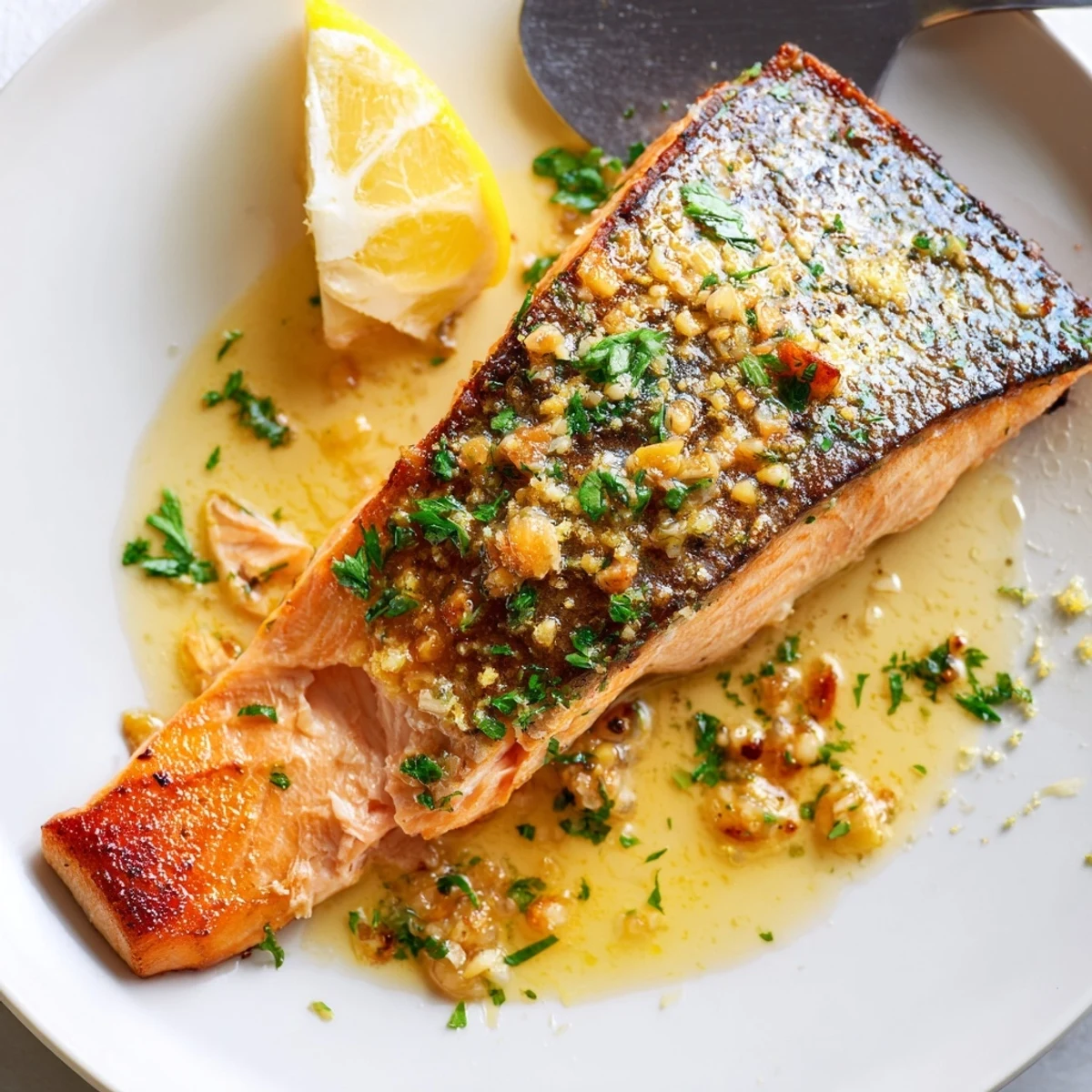
 There is something quietly magical about a piece of fish that costs so little effort but makes everyone at the table go silent after the first bite. I have served this on paper plates at camping cabins and on good china at dinner parties and it never fails.
What to Serve Alongside
Steamed green beans or roasted asparagus are my go-to pairings because they soak up the extra butter on the plate. Rice works beautifully if you want something to catch every drop, and crispy roasted potatoes turn this into a genuinely hearty meal. A simple arugula salad with olive oil and lemon dressing keeps things light when the weather is warm.
Swapping the Herbs
Parsley is classic but far from your only option here. Fresh dill brings a Scandinavian feel that pairs especially well with salmon, and snipped chives add a mild onion sweetness without overpowering the garlic. I have even tossed in a few torn basil leaves at the end during summer and loved the unexpected twist.
A Few Last Things
Cooking salmon well is mostly about trusting the process and not fussing with the fish while it does its thing in the pan. A good fish spatula makes flipping painless, and a cast iron skillet holds heat evenly enough that you get consistent results every time. Keep these small details in mind and the rest practically cooks itself.
- Let the salmon sit at room temperature for ten minutes before cooking so it sears evenly.
- Check for pin bones by running your finger along the center of each fillet and pull any you find with tweezers.
- Leftovers flaked over a salad the next day are almost better than the original dinner.
 Pin it
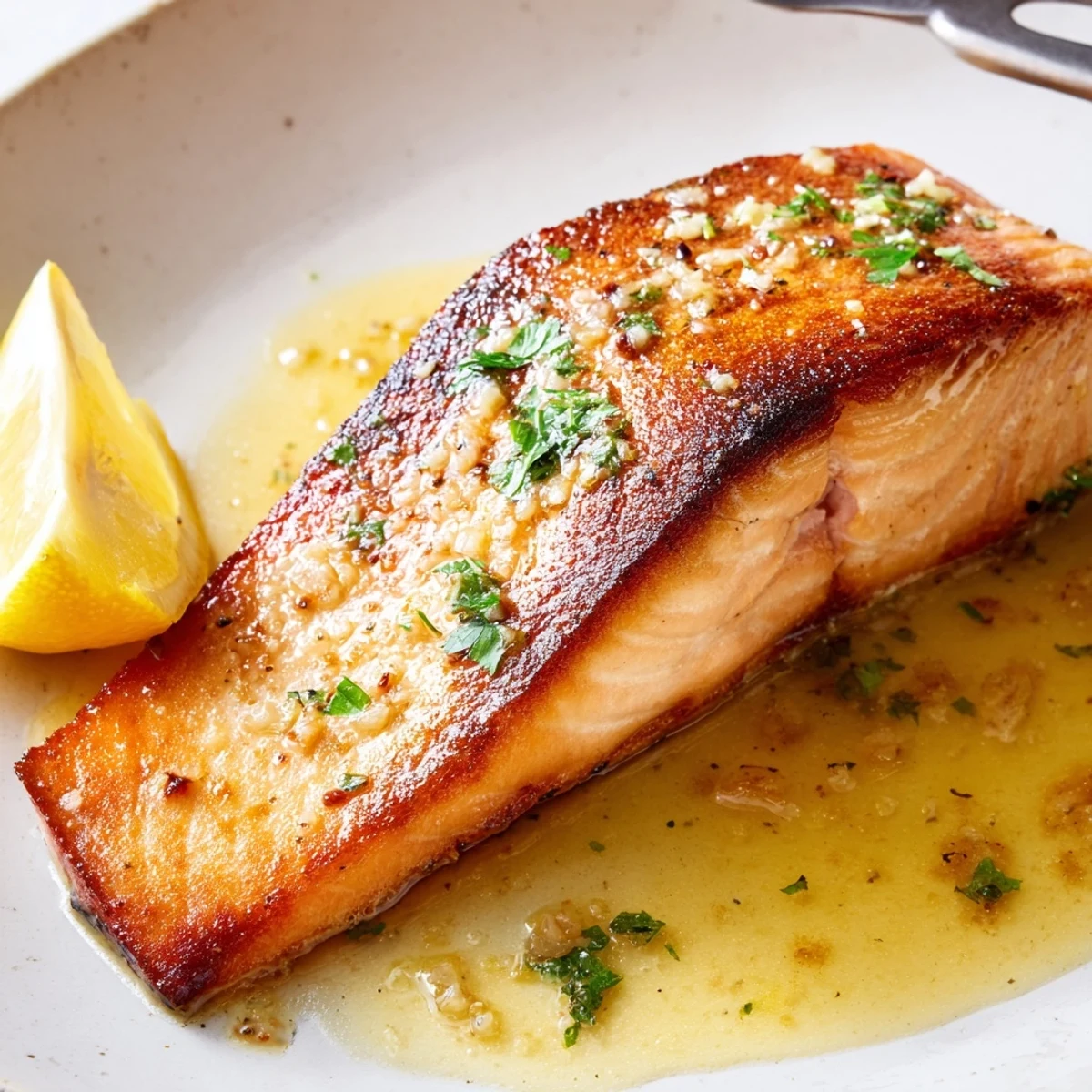
 Keep this recipe in your back pocket for any night that needs a little something special without any fuss. The butter and garlic will do all the heavy lifting for you.
Recipe FAQs
- → Should I use skin-on or skinless salmon fillets?
-
Skin-on fillets work best for this method because the skin protects the flesh during searing and becomes deliciously crispy. However, skinless fillets will also work — just reduce the initial cooking time by about a minute.
- → How do I know when the salmon is fully cooked?
-
Salmon is done when it flakes easily with a fork and reaches an internal temperature of 145°F (63°C). The flesh should turn from translucent to opaque pink. Avoid overcooking, as the fish will continue cooking slightly from residual heat.
- → Can I use frozen salmon fillets?
-
Yes, but thaw them completely in the refrigerator overnight before cooking. Pat the fillets thoroughly dry with paper towels to ensure a good sear and prevent excess splattering in the pan.
- → What can I substitute for butter in this dish?
-
For a dairy-free version, use a good quality plant-based butter alternative or olive oil. Keep in mind that olive oil won't provide the same richness, so you may want to add a touch more garlic and lemon to compensate.
- → What side dishes pair well with garlic butter salmon?
-
Steamed asparagus, roasted Brussels sprouts, garlic mashed potatoes, or a light quinoa salad all complement the rich flavors beautifully. For a low-carb option, try cauliflower rice or a mixed green salad with lemon vinaigrette.
- → How should I store and reheat leftovers?
-
Store leftover salmon in an airtight container in the refrigerator for up to 2 days. Reheat gently in a skillet over low heat or in the oven at 275°F (135°C) to avoid drying out the fish. Microwaving is not recommended as it can make the salmon tough.
