
 Pin it
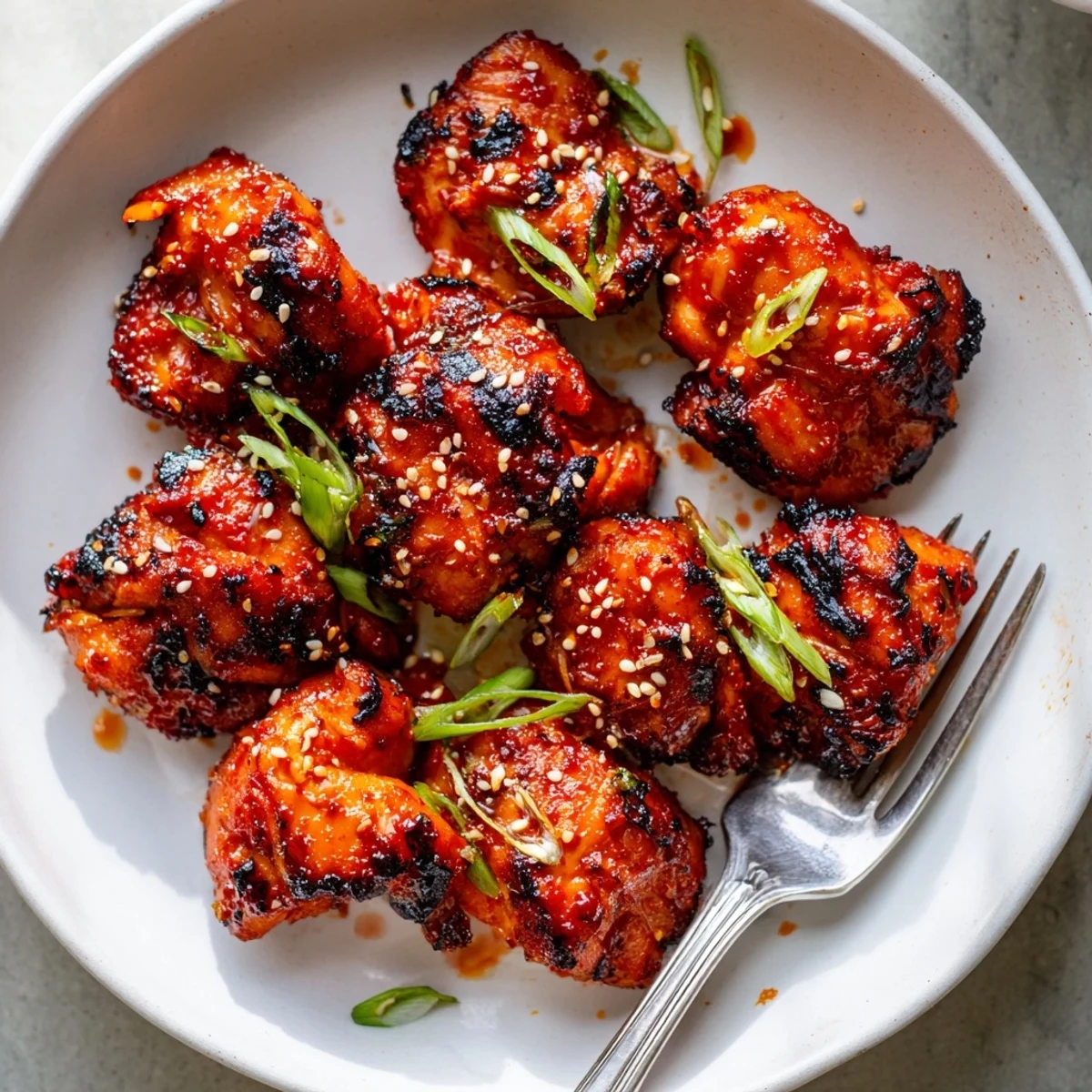
 This gochujang chicken brings together the bold, fiery depth of Korean chili paste with a honey-soy glaze that caramelizes beautifully in the pan.
Chicken thighs are marinated in a mixture of gochujang, soy sauce, rice vinegar, honey, garlic, ginger, and sesame oil, then seared until glossy and slightly charred at the edges.
The dish comes together in about 40 minutes, making it a strong candidate for busy weeknights. Serve it over steamed rice with sesame seeds and sliced green onions on top.
The sizzle of chicken hitting a hot pan on a Tuesday evening changed my entire relationship with weeknight cooking. I had a tub of gochujang sitting in the back of my fridge, a gift from a friend who swore it would reshape my kitchen habits. She was right, and this dish proved it within forty minutes flat.
I served this to my neighbor who claims she cannot handle spice, and she went back for thirds before I even sat down to eat. The honey tempers the chili paste just enough to keep things approachable while still packing real character.
Ingredients
- Chicken thighs (700 g, boneless and skinless): Thighs stay juicy and forgiving even if you accidentally overcook them slightly, which I have done more times than I care to admit.
- Gochujang (3 tbsp): This fermented Korean chili paste is the soul of the dish, so find a good quality tub and keep it in your fridge for months of use.
- Soy sauce (2 tbsp): Adds salt and umami that grounds the sweetness from the honey.
- Rice vinegar (1 tbsp): A subtle brightness that cuts through the richness of the marinade.
- Honey (2 tbsp): Helps the chicken caramelize beautifully and balances the fierce heat of the gochujang.
- Garlic (2 cloves, minced): Fresh garlic makes a noticeable difference here, so skip the jarred version if you can.
- Ginger (1 tbsp, grated): Adds a warm bite that ties the sweet and spicy elements together.
- Sesame oil (1 tbsp): Toasted sesame oil brings a nutty aroma that makes the whole kitchen smell incredible.
- Black pepper (half tsp, freshly ground): A quiet layer of warmth behind the bold flavors.
- Sesame seeds (1 tbsp, toasted, optional): A sprinkle at the end adds crunch and visual appeal.
- Green onions (2, thinly sliced, optional): Fresh and sharp, they lighten each bite just when the richness starts to build.
Instructions
- Build the marinade:
- In a large bowl, whisk together the gochujang, soy sauce, rice vinegar, honey, garlic, ginger, sesame oil, and black pepper until smooth and fragrant. Take a moment to really blend it well, because any streaks of unmixed paste will show up later.
- Coat the chicken:
- Add the chicken pieces to the bowl and toss them thoroughly so every surface is covered. Let everything sit for at least twenty minutes, or up to two hours in the refrigerator if you have the time.
- Cook until caramelized:
- Heat a large skillet over medium high heat and add the chicken along with any extra marinade pooling in the bowl. Cook for six to eight minutes per side until the edges turn dark and sticky and the chicken is cooked through.
- Finish and serve:
- Remove from the heat and scatter sesame seeds and sliced green onions over the top. Serve hot with steamed rice or tuck pieces into crisp lettuce wraps for a lighter approach.
 Pin it
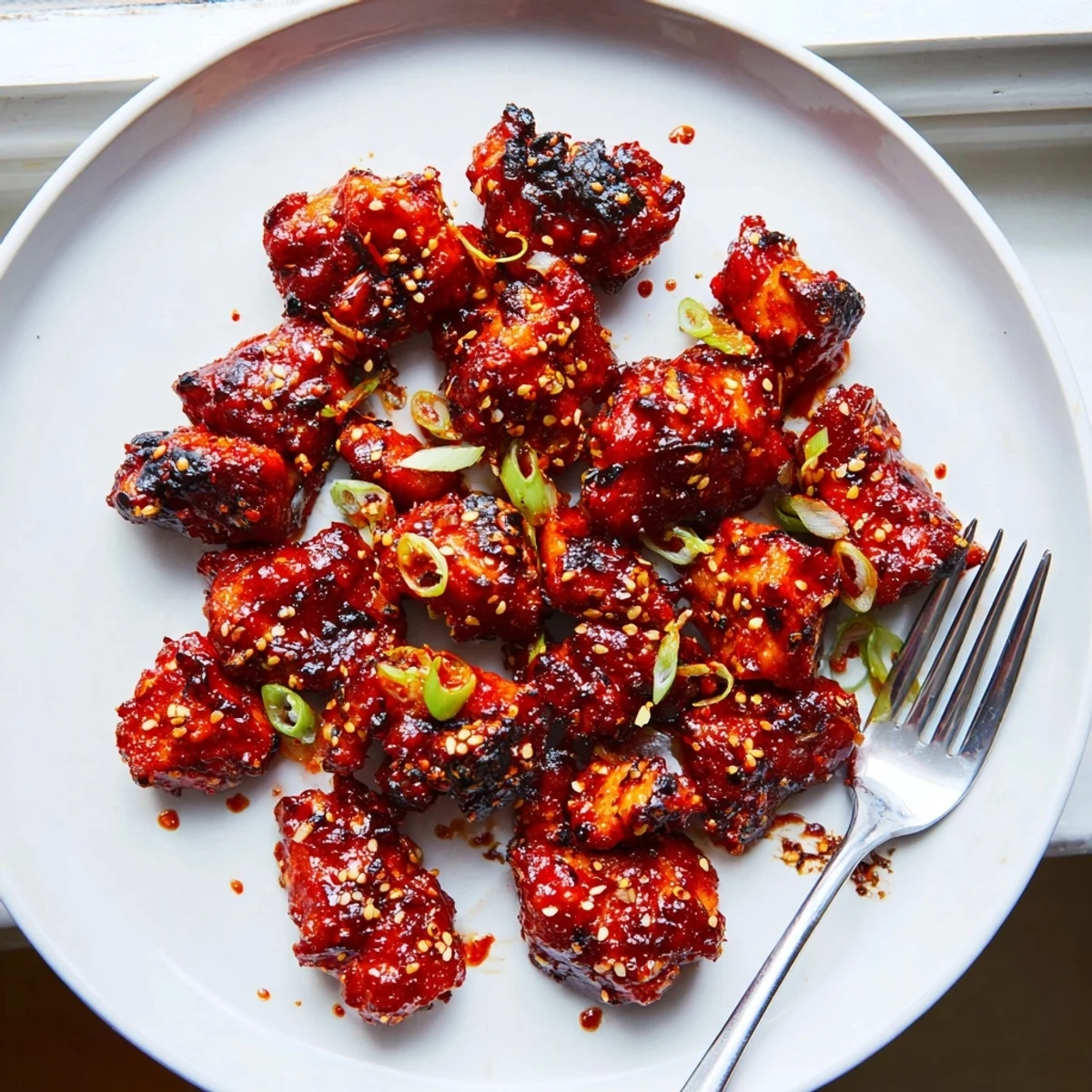
 One rainy Saturday I made a double batch and we ate it cold straight from the container while standing in the kitchen, and somehow that was better than the warm version on a plate.
What to Serve Alongside
Kimchi is the obvious partner here, and its fermented tang plays beautifully against the sticky sweetness of the chicken. Pickled radishes or a quick cucumber salad with sesame dressing also wake up the plate in all the right ways.
Swaps and Adjustments
Chicken breasts work if you prefer leaner meat, but slice them slightly thicker so they stay tender during the high heat cooking. For an extra kick, stir a teaspoon of gochugaru into the marinade and watch the color deepen to a gorgeous deep red.
Storing and Reheating
Leftovers keep well in the refrigerator for up to three days and reheat gently in a skillet with a splash of water to loosen the glaze back up.
- Avoid microwaving at full power, because the sugars burn easily and turn bitter.
- Freeze portions flat in zip top bags for quick weeknight thawing.
- Always taste before serving again, because a squeeze of lime can bring leftover flavors back to life.
 Pin it
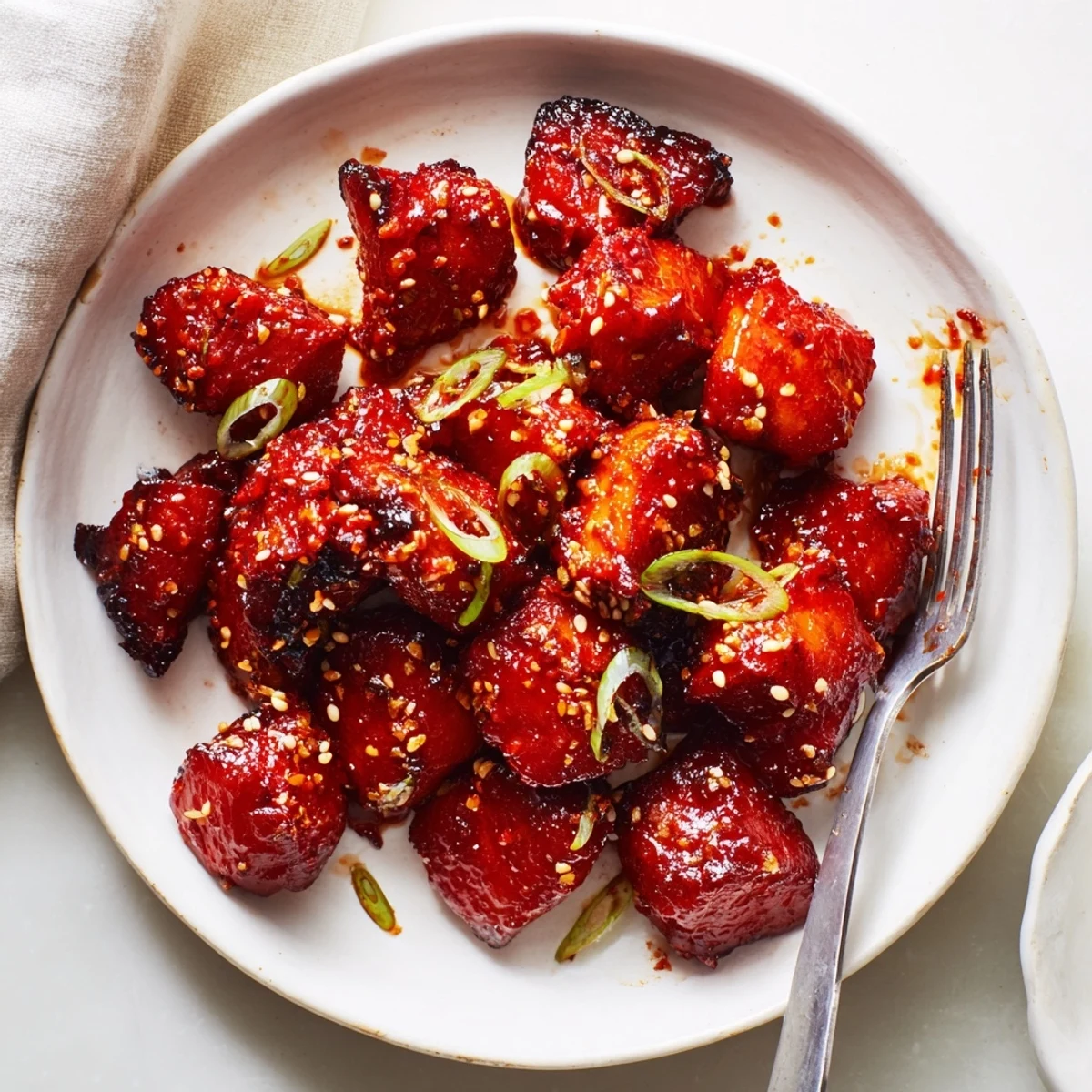
 This is the kind of recipe that earns a permanent spot in your rotation, not because it is fancy, but because it delivers every single time with ingredients you probably already have.
Recipe FAQs
- → What is gochujang and where can I find it?
-
Gochujang is a fermented Korean chili paste with a thick, sticky consistency and a flavor profile that combines sweetness, heat, and deep umami. You can find it in most Asian grocery stores, often in red tubs or squeeze bottles. Many large supermarkets now stock it in the international aisle alongside other Korean condiments.
- → Can I use chicken breasts instead of thighs?
-
Yes, chicken breasts work as a leaner alternative. Cut them into uniform bite-sized pieces and reduce the cooking time slightly, as breasts cook faster and can dry out more easily than thighs. Keep a close eye on the pan to avoid overcooking.
- → How spicy is this dish?
-
The heat level is moderate, as gochujang delivers a gentle, building warmth rather than an intense burn. The honey in the marinade helps balance the spice. If you prefer more heat, stir in a teaspoon of gochugaru (Korean red chili flakes). For a milder version, reduce the gochujang to two tablespoons.
- → What should I serve with gochujang chicken?
-
Steamed white or brown rice is the most natural pairing, soaking up the sticky glaze. You can also serve it with lettuce wraps for a lighter approach. Kimchi, pickled radish, steamed broccoli, or a simple cucumber salad all work well as side dishes.
- → How long should I marinate the chicken?
-
A minimum of 20 minutes at room temperature is enough for the flavors to penetrate. For deeper flavor, marinate the chicken in the refrigerator for up to two hours. Avoid marinating beyond that, as the acidity from the rice vinegar can start to break down the meat texture.
- → Is this dish gluten-free?
-
The base ingredients are mostly gluten-free, but standard soy sauce contains wheat. Swap in tamari or a certified gluten-free soy sauce to make the dish safe for gluten-sensitive diets. Also check the label on your gochujang brand, as some contain wheat-based thickeners.
