
 Pin it
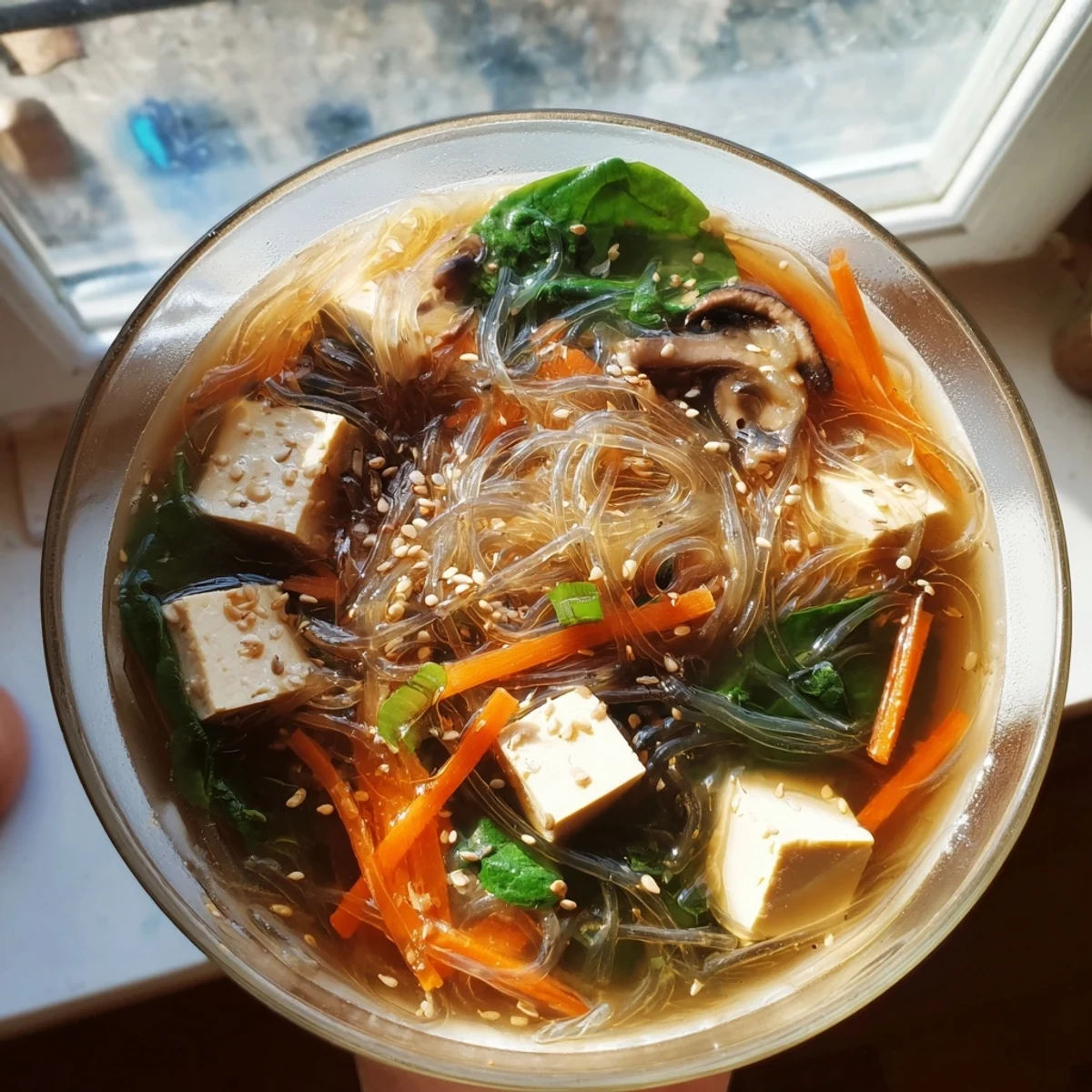
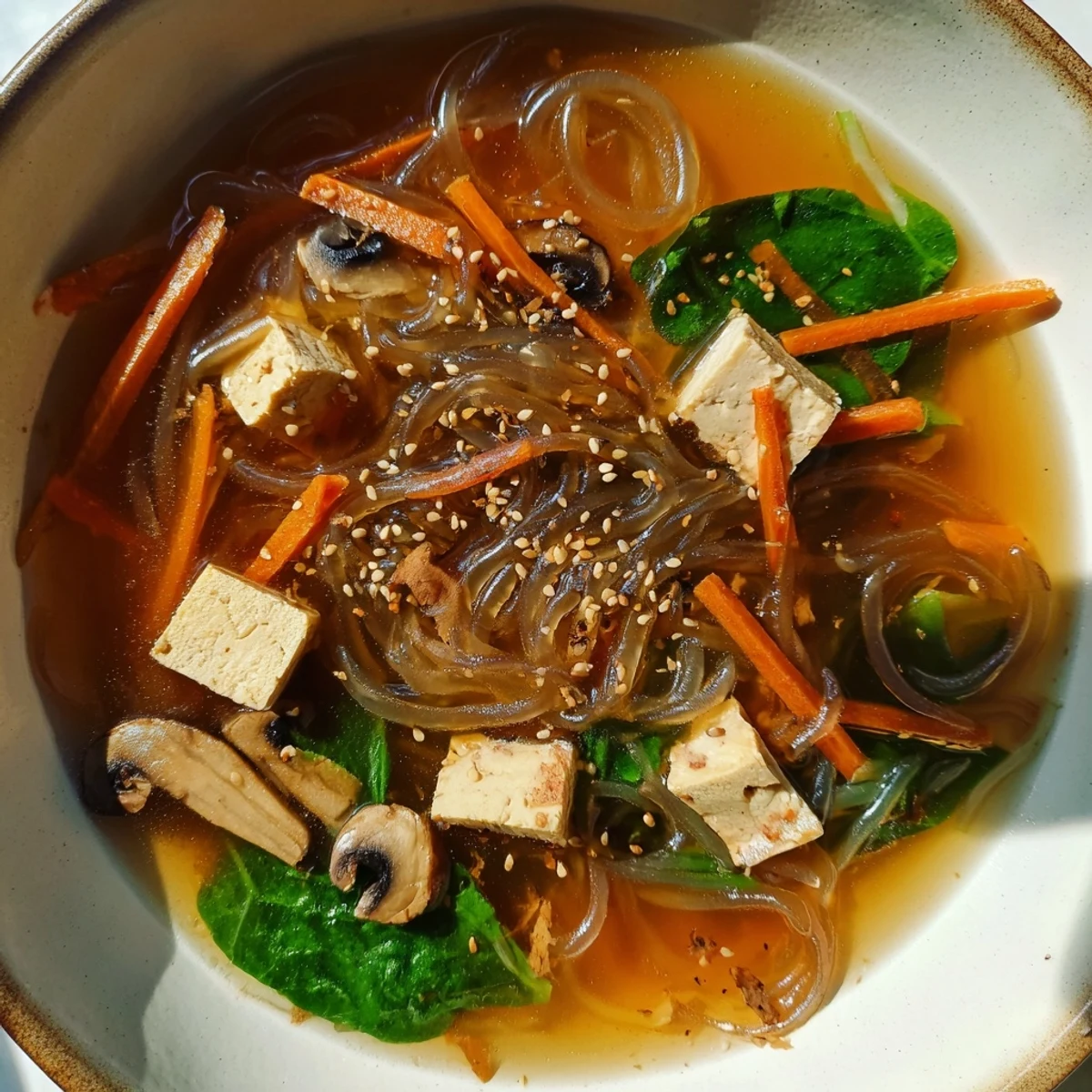
 This Japanese-inspired soup brings together delicate harusame glass noodles with a warming dashi broth. The dish features julienned carrots, earthy shiitake mushrooms, and fresh baby spinach or bok choy for a nourishing bowl. Ready in just 25 minutes, this light yet satisfying meal is naturally dairy-free and low in fat. The glass noodles soak up the savory flavors of soy sauce, mirin, and sesame oil, while tofu adds protein if desired. Perfect for quick weeknight dinners when you want something comforting without feeling heavy.
Rainy Tuesdays in my tiny Tokyo apartment called for something warming but not heavy. I'd discovered harusame at a tiny corner shop where the owner spoke no English but kept pointing to these translucent bundles. That first attempt turned my broth cloudy because I didn't know then that glass noodles need separate handling. Now this soup has become my go-to when I need nourishment without the weight of heavier meals.
My friend Emi came over during a particularly brutal winter week when we were both running on empty. She watched me julienne carrots with my sad excuse for a knife, then quietly took over while I prepped the broth. We ate steaming bowls on tatami mats while snow fell outside the window, neither of us saying much. Sometimes the best meals happen when you're too tired to cook anything complicated but refuse to settle for cereal.
Ingredients
- 5 cups dashi stock: The foundation of Japanese cooking, but low sodium chicken or vegetable broth works perfectly fine if that's what you have
- 2 tbsp soy sauce: Adds that essential savory depth and the golden brown color that makes soup feel comforting
- 1 tbsp mirin: This sweet rice wine balances the soy and creates that restaurant quality flavor balance
- 1 tsp sesame oil: A tiny amount adds this gorgeous nutty aroma that wafts up when you lean over your bowl
- 1/2 tsp salt: Start here and adjust, remembering that soy sauce is already bringing saltiness
- 100 g harusame noodles: These delicate glass noodles are made from mung bean starch and turn completely transparent when cooked
- 1 medium carrot: Julienned into thin matchsticks so they cook quickly and add sweetness to every spoonful
- 100 g shiitake mushrooms: Thinly sliced, these contribute an earthy richness that makes the broth feel much more developed
- 60 g baby spinach: Added at the very last minute so it stays vibrant and doesn't turn your soup murky
- 1 spring onion: Finely sliced for that fresh bite that cuts through the warm broth
- 100 g firm tofu: Cubed into small pieces, it soaks up the broth and makes each bite feel complete
- 1 tsp toasted sesame seeds: Sprinkled over top for texture and an extra layer of nutty flavor
Instructions
- Build the flavor base:
- Combine your dashi stock, soy sauce, mirin, sesame oil, and salt in a large saucepan. Let it come to a gentle simmer over medium heat, giving it a moment to marry the flavors together.
- Soften the hard vegetables:
- Add your carrot matchsticks and shiitake mushroom slices to the simmering broth. Let them cook for about 5 minutes until you can easily pierce the carrots with a fork.
- Add the protein:
- Toss in your cubed tofu and let everything simmer for another 2 minutes. The tofu will absorb some of that seasoned broth as it warms through.
- Prep the noodles separately:
- Place the harusame in a heatproof bowl and cover them with boiling water. Let them soak for 4 to 5 minutes until tender, then drain thoroughly and divide among your serving bowls.
- Wilt the greens:
- Drop your spinach into the broth and cook for just 1 minute. You want it bright green and barely wilted, not mushy and sad.
- Bring it all together:
- Ladle the hot broth with vegetables and tofu over the noodles in each bowl. The heat will warm the noodles through as you carry everything to the table.
- Finish with texture:
- Sprinkle toasted sesame seeds and any extra spring onion over each bowl. Serve immediately while everything is steaming hot and the aromas are filling your kitchen.
 Pin it
 This soup saved me during a week when everything felt overwhelming. I'd come home exhausted, drop my bag, and have this simmering on the stove within ten minutes. The first time I made it for my sister, she asked why restaurant Japanese soups always taste better until I explained the magic of mirin and proper dashi. Now she texts me whenever she finds a new Asian market with better harusame prices.
Making It Your Own
I've learned that the best home cooks adapt recipes to their taste. Sometimes I'll add a handful of wakame seaweed when I want something extra from the ocean. A few drops of chili oil transforms this into a whole different experience if you need warmth on a cold day.
The Noodle Factor
Harusame might seem intimidating if you've never worked with glass noodles before. They're completely gluten free and almost disappear into the broth, creating this silky mouthfeel that makes the soup feel luxurious. Watch them carefully during soaking since they go from perfect to mushy in seconds.
Broth Secrets
The quality of your dashi or broth determines everything here. I keep kombu and bonito flakes in my pantry for the real thing, but honest store bought dashi works beautifully too. Homemade versions freeze well if you want to batch cook.
- Add enoki mushrooms for that restaurant texture variation
- Shred leftover rotisserie chicken if you need extra protein
- Adjust salt after the soy has had time to meld
 Pin it
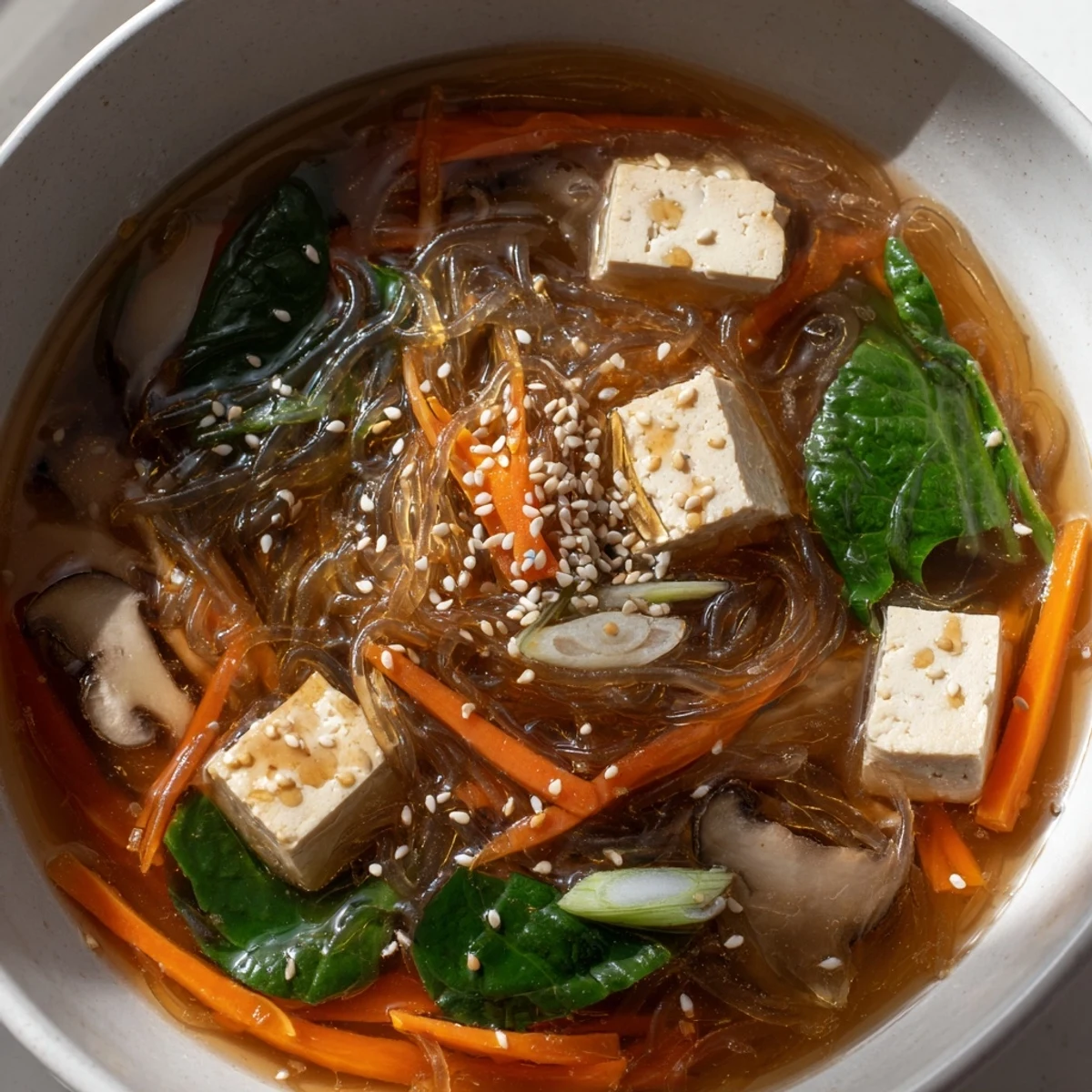
 There's something meditative about preparing this soup, watching the vegetables soften and the broth deepen in color. May it bring you the same quiet comfort it's brought me on countless evenings.
Recipe FAQs
- → What are harusame noodles made from?
-
Harusame are Japanese glass noodles typically made from mung bean starch, potato starch, or sweet potato starch. They're translucent, gluten-free, and have a delicate texture that works beautifully in soups and stir-fries.
- → Can I make this soup vegetarian?
-
Yes! Simply substitute the traditional dashi stock (which contains bonito flakes) with vegetable broth or kombu dashi. The rest of the ingredients are naturally vegetarian-friendly.
- → How do I prevent glass noodles from getting mushy?
-
Soak harusame noodles separately in boiling water rather than cooking them directly in the broth. Drain them once tender and divide among serving bowls before ladling the hot soup over. This keeps them perfectly springy.
- → What vegetables work well in this soup?
-
Beyond carrots and shiitake mushrooms, try adding enoki mushrooms, wakame seaweed, snow peas, or napa cabbage. The key is using vegetables that cook quickly and maintain some texture in the hot broth.
- → Can I add protein to make it more filling?
-
Yes, firm tofu works beautifully as mentioned. You can also add shredded cooked chicken, boiled eggs, or even shrimp. For vegetarian protein, consider edamame or extra-firm tofu cubes.
- → How long does this soup keep in the refrigerator?
-
The broth and vegetables will keep for 3-4 days in an airtight container. However, store the noodles separately and add them when reheating to prevent them from becoming overly soft and absorbing all the liquid.
