
 Pin it
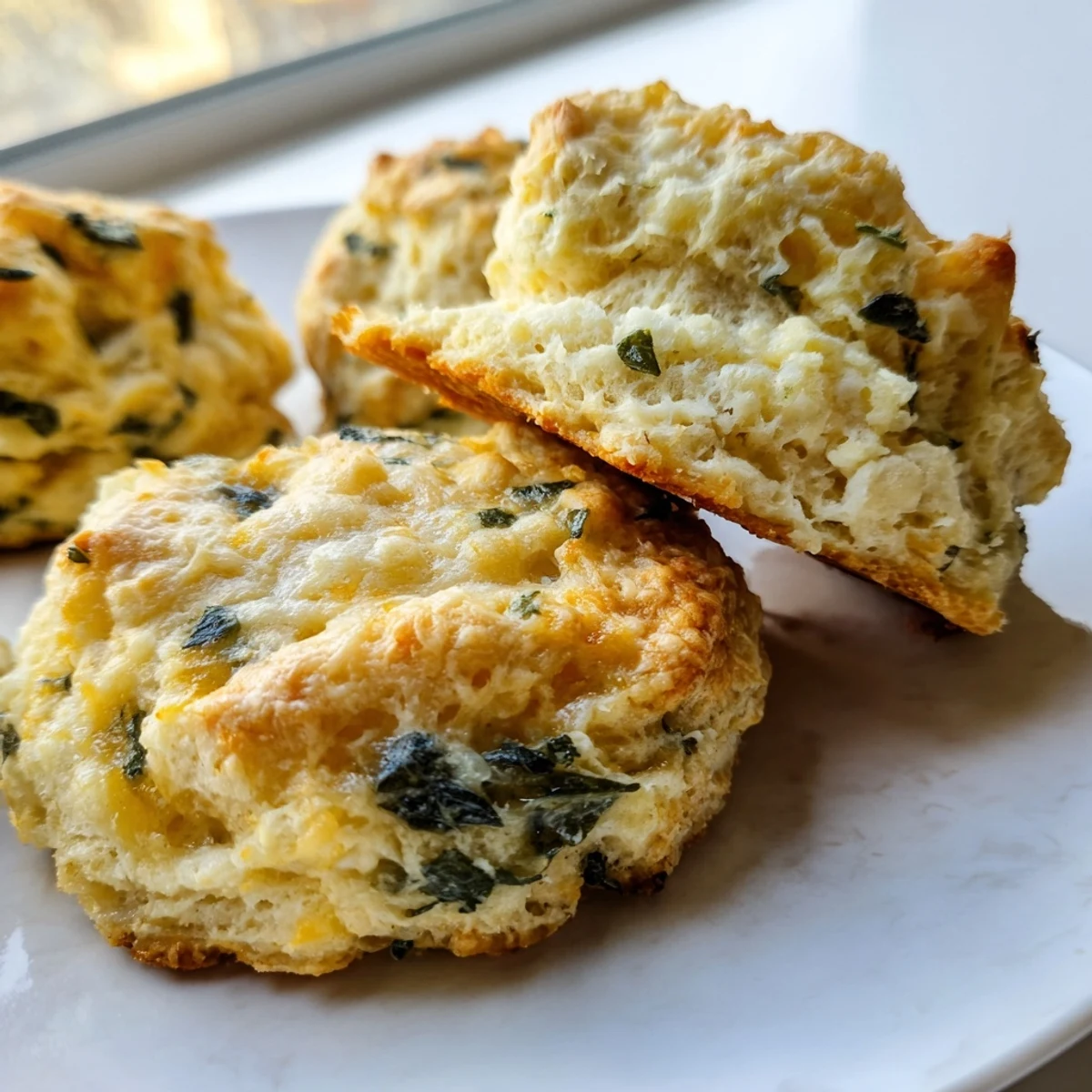
 These homemade biscuits combine cold butter, fresh sage, and aged Gruyere for incredible flavor and texture. The dough comes together quickly with buttermilk, creating tender layers that bake into golden rounds. Perfect alongside eggs, soup, or enjoyed warm with salted butter.
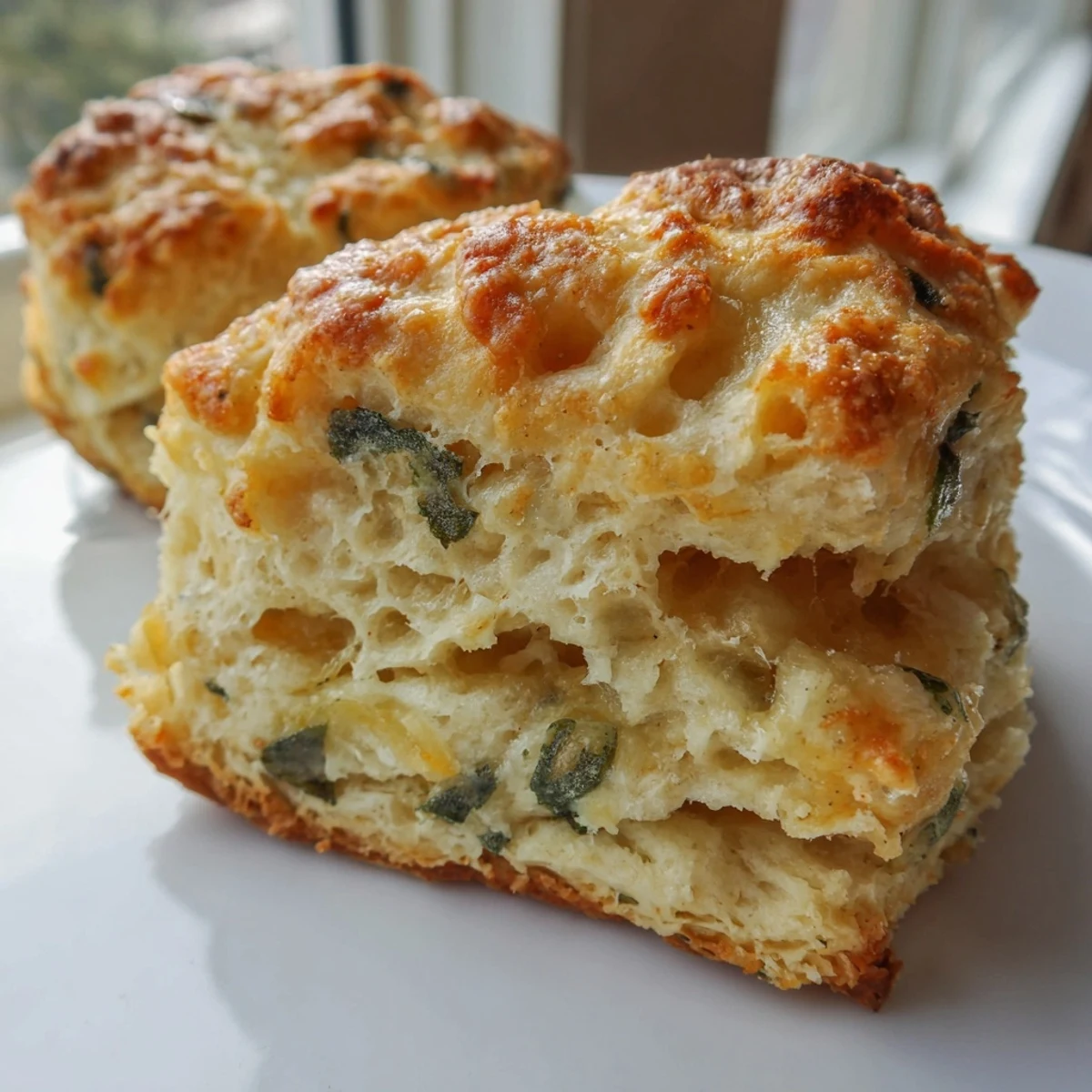
Key technique: Keep ingredients cold and handle dough minimally for maximum flakiness. The sage adds earthy warmth while Gruyere melts throughout, creating savory pockets. Brush with cream for extra shine, or add cayenne for gentle heat.
Last winter, my kitchen had this incredible smell of sage and melting cheese that made everyone wander in to see what was happening. These biscuits came out of the oven with this golden, crackly crust, and I knew they were something special. The combination of earthy sage and rich Gruyere just feels like comfort food at its finest.
I made these for a weekend brunch when friends were staying over, and honestly, I wish I had doubled the batch. Everyone kept reaching for just one more, and suddenly they were gone before the scrambled eggs even hit the table. Now they are my go to whenever I need something impressive without the stress.
Ingredients
- 2 cups all purpose flour: This creates the structure for those tall flaky layers we all love in biscuits
- 1 tbsp baking powder: The secret to getting that impressive rise and light texture
- 1/2 tsp baking soda: Works with the buttermilk to create extra lift
- 1/2 tsp fine sea salt: Enhances all the flavors without overpowering the delicate sage
- 1/2 tsp freshly ground black pepper: Adds a subtle warmth that complements the cheese beautifully
- 1/2 cup cold unsalted butter, cubed: Cold butter is non negotiable here it creates those essential flaky layers
- 1 cup Gruyere cheese, grated: This Swiss cheese brings a nutty complexity that melts perfectly throughout
- 3/4 cup cold buttermilk: The acidity activates the baking soda and keeps biscuits tender
- 2 tbsp fresh sage, finely chopped: Fresh sage gives an earthy aromatic note that dried sage just cannot match
- 1 tbsp milk or cream, optional: For brushing the tops to get that gorgeous golden finish
Instructions
- Preheat your oven:
- Crank that oven to 425°F and line your baking sheet with parchment paper while everything is still cold
- Mix the dry ingredients:
- Whisk together your flour, baking powder, baking soda, salt, and pepper until everything is well combined
- Cut in the butter:
- Toss in those cold butter cubes and use a pastry cutter or your fingers until you see coarse crumbs with some pea sized pieces remaining
- Add the flavor makers:
- Stir in your grated Gruyere and chopped fresh sage until they are evenly distributed throughout the flour mixture
- Bring the dough together:
- Pour in the cold buttermilk and mix gently with a fork just until the dough holds together
- Shape and cut:
- Turn onto a floured surface, pat into a 1 inch thick rectangle, and cut straight down with a 2.5 inch biscuit cutter
- Bake to golden perfection:
- Place biscuits on your prepared sheet, brush with cream if you want extra color, and bake for 14 to 16 minutes until deeply golden
 Pin it
 These have become my emergency comfort food. Whether I am serving them alongside soup or just eating one warm from the oven with a little salted butter, they make any regular Tuesday feel like a special occasion.
Make Them Your Own
I have discovered that swapping in half sharp cheddar for some of the Gruyere adds this incredible tangy depth. A tiny pinch of cayenne pepper wakes everything up without adding actual heat.
Freezing For Later
Sometimes I bake a double batch and freeze the extras. They reheat in a hot oven for about 5 minutes and taste almost as good as fresh baked, which means homemade biscuits are always an option.
Serving Ideas
These biscuits shine alongside scrambled eggs at brunch or next to a bowl of tomato soup for lunch. The sage pairs surprisingly well with roasted chicken or can even split them for mini sandwiches.
- Try them with a drizzle of honey for that sweet and salty combination
- Serve with apple butter for a perfect autumn breakfast
- Split and toast leftover biscuits the next day
 Pin it
 There is something so satisfying about pulling a tray of golden biscuits from the oven. I hope these become a regular part of your kitchen adventures too.
Recipe FAQs
- → Can I use dried sage instead of fresh?
-
Yes, substitute 2 teaspoons dried sage for the fresh version. Dried herbs are more concentrated, so use about one-third the amount. Consider rehydrating the dried sage in a tablespoon of warm water for 10 minutes before adding to the dough for better flavor distribution.
- → What can I substitute for Gruyere cheese?
-
Sharp cheddar, Emmental, Swiss, or Comté work beautifully as alternatives. Each cheese brings unique flavor notes—cheddar adds tanginess, while Swiss varieties offer nuttiness similar to Gruyere. For extra complexity, try blending half cheddar with half Parmesan.
- → Why do my biscuits turn out tough instead of flaky?
-
Overmixing activates gluten, creating toughness. Mix until dough just comes together—some dry patches are fine. Also ensure butter stays cold until baking; if it melts before hitting the oven, you lose those essential flaky layers. Work quickly and chill dough if needed.
- → Can I freeze unbaked biscuit dough?
-
Absolutely! Cut raw biscuits and freeze individually on a parchment-lined tray until firm, then transfer to a freezer bag. Bake from frozen, adding 2-3 minutes to baking time. This gives you fresh-baked treats whenever craving strikes.
- → What's the purpose of brushing the tops with milk?
-
Brushing with milk or cream creates a beautifully golden, glossy finish while promoting even browning. It's optional but adds professional appeal. For extra crunch, sprinkle coarse sea salt or grated cheese over the brushed tops before baking.
- → Why shouldn't I twist the biscuit cutter?
-
Twisting seals the edges, preventing proper rising during baking. Press straight down firmly and lift directly up. This clean cut allows layers to separate, creating those signature tall, flaky sides. A sharp cutter also helps achieve clean edges without compressing the dough.
