
 Pin it
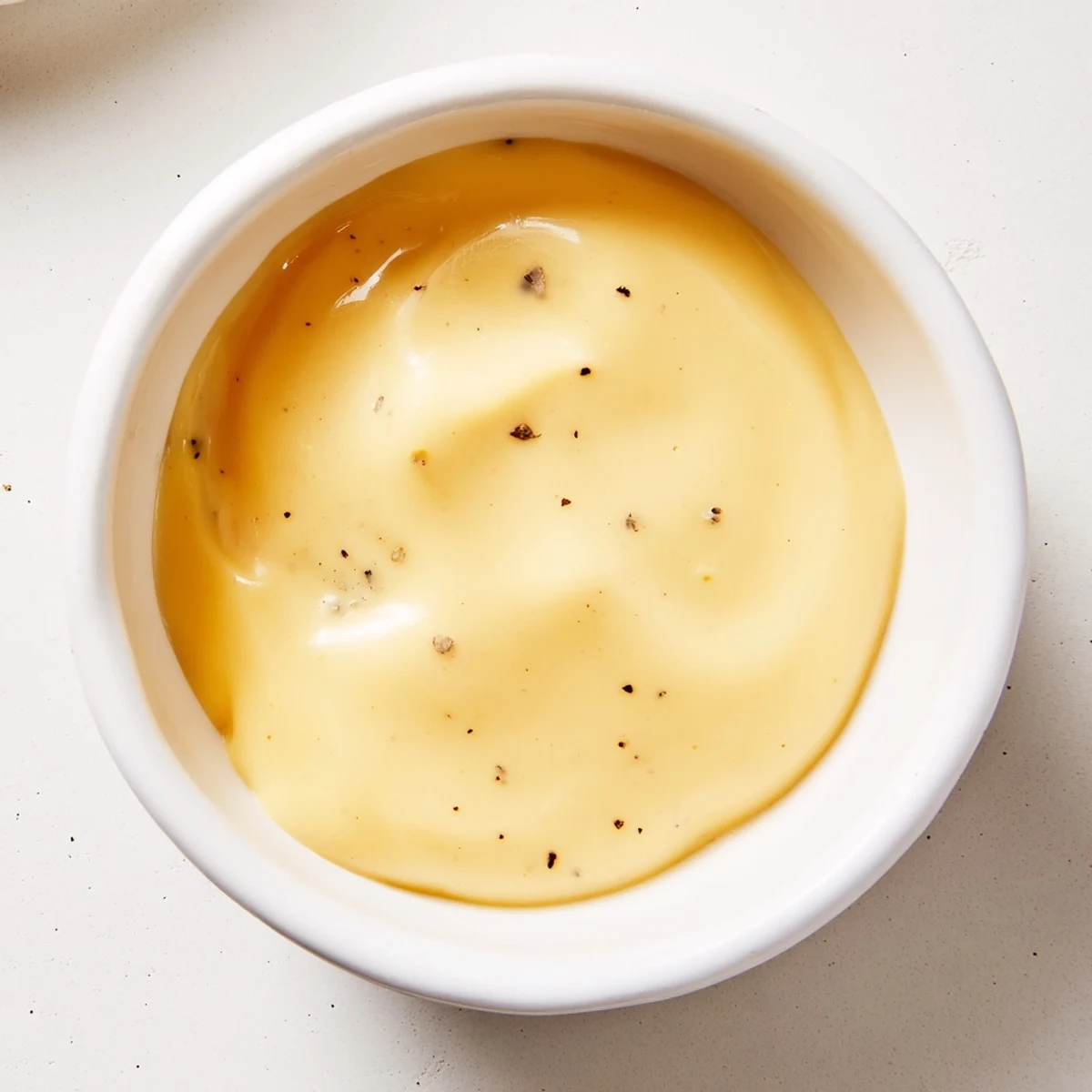
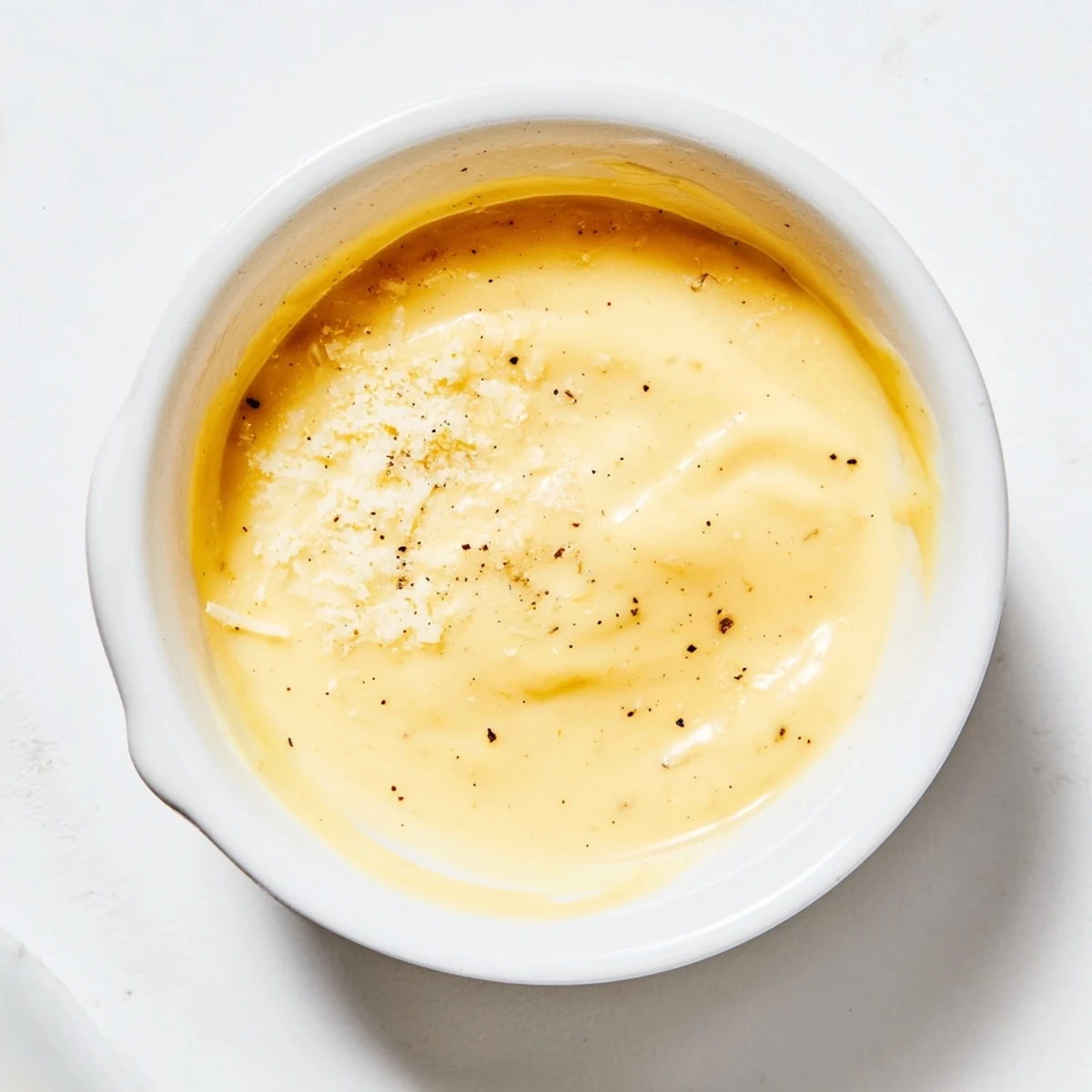
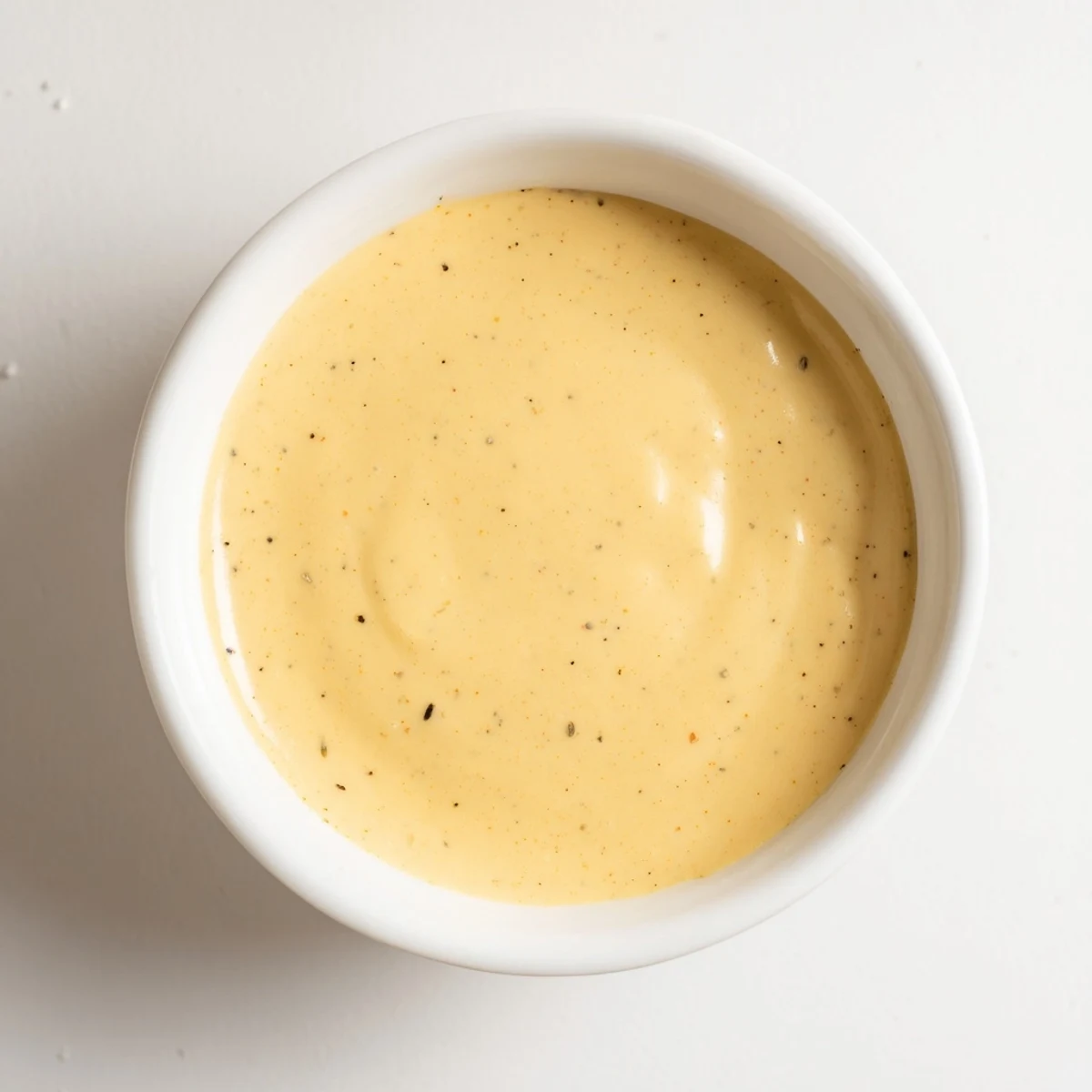
 This velvety cheddar sauce comes together in just 15 minutes, combining sharp cheddar with a balanced blend of Dijon mustard, hot sauce, and aromatic spices. The roux-based method ensures a smooth, creamy texture that perfectly coats everything from crisp vegetables to warm tortilla chips. Freshly grated cheese is key to achieving that luxurious consistency—pre-shredded varieties contain anti-caking agents that can make the sauce grainy.
Adjust the heat level to your preference by varying the cayenne and hot sauce. The foundation of butter and flour creates a stable base that prevents separation, while the mustard adds depth and helps emulsify the cheese. This sauce stores well in the refrigerator for up to a week and reheats beautifully with a splash of milk to restore its creamy consistency.
The first time I made this sauce, I stood over the stove with that slightly frantic feeling you get when hosting last minute guests. Friends were coming over for movie night nachos, and I realized my store bought cheese sauce would not cut it. Ten minutes later, I was dipping a spoon into the silkiest, most vibrant orange sauce I had ever created, wondering why I had ever bothered with the boxed stuff.
Last winter my sister came over during that bleak stretch of January when comfort food becomes non negotiable. We made a giant batch of baked potatoes and topped them with this sauce, standing at the counter eating straight from the pan while catching up on three months of life. That moment of warm, cheesy simplicity became our new tradition.
Ingredients
- Sharp cheddar cheese: Freshly grated is non negotiable here because pre shredded cheese has anti caking agents that prevent smooth melting
- Whole milk: The fat content matters for texture, though you can get away with 2 percent in a pinch
- Unsalted butter: Starting with unsalted lets you control exactly how salty the final sauce becomes
- All purpose flour: This creates the roux base that thickens your sauce into something velvety
- Dijon mustard: The secret ingredient that cuts through the richness and makes the cheese flavor pop
- Hot sauce: Just enough to add depth without making it spicy, unless you want that extra kick
- Garlic powder and cayenne: These background notes make the sauce taste complex rather than one note
Instructions
- Melt and whisk:
- Melt your butter over medium heat, then sprinkle in the flour while whisking constantly. Keep going for about a minute until you have a pale paste that smells slightly nutty but definitely not browned or burned.
- Add the milk:
- Pour in the milk gradually while whisking, working out any lumps as you go. Keep stirring frequently as it bubbles gently and thickens over 2 to 3 minutes.
- Season the base:
- Lower the heat to your lowest setting, then stir in the mustard, hot sauce, garlic powder, cayenne, salt, and pepper. Let everything meld together for about 30 seconds.
- Melt in the cheese:
- Add the cheese one handful at a time, waiting until each addition is completely melted before adding more. This slow approach is what prevents graininess.
- Finish and taste:
- Once all the cheese has disappeared into a smooth orange river, give it a final taste. Add more salt or hot sauce if it needs balance, then serve immediately.
 Pin it
 This sauce has rescued so many quick weeknight dinners when motivation was running low. My kids now request it for everything from steamed broccoli to their birthday mac and cheese, and I have realized that the simple act of making something from scratch transforms ordinary food into something people remember.
Make It Your Own
Once you have the basic technique down, the variations become endless. Sometimes I swap in smoked gouda for half the cheddar when I want that campfire flavor, or I add a splash of beer instead of milk for an adult version that disappears alarmingly fast at parties.
Serving Ideas That Work
Beyond the obvious nacho situation, this sauce transforms simple roasted vegetables into something kids actually want to eat. I have also discovered it makes an incredible surprise twist on grilled cheese when spread on the bread before adding the regular cheese slices.
Storage and Reheating
This sauce keeps in the refrigerator for up to 5 days, though it rarely lasts that long in my house. When reheating, add a splash of milk and warm it gently over low heat while stirring constantly.
- Never reheat in the microwave or the sauce will separate into an oily mess
- Freeze individual portions in ice cube trays for quick portioned servings later
- If sauce breaks while reheating, whisk in a tiny bit of cold milk to bring it back together
 Pin it
 There is something deeply satisfying about making something from scratch that tastes better than anything from a jar.
Recipe FAQs
- → Why does my sauce sometimes turn grainy?
-
Graininess typically occurs when using pre-shredded cheese, which contains anti-caking agents that prevent smooth melting. Always grate your cheese fresh from a block for the silkiest texture. Additionally, adding cheese over high heat can cause it to separate—keep the heat low and incorporate it gradually.
- → Can I make this sauce ahead of time?
-
Yes, prepare the sauce up to 24 hours in advance and store it in an airtight container in the refrigerator. When reheating, warm gently over low heat and whisk in a tablespoon of milk to restore the creamy consistency. Avoid microwaving, which can cause uneven heating and separation.
- → What cheeses work best besides cheddar?
-
Gouda, Gruyère, and American cheese melt beautifully and create smooth sauces. For a sharper flavor, try aged provolone or Swiss. Avoid very soft cheeses like brie or fresh mozzarella, as they contain too much moisture and won't yield the right consistency. You can also blend multiple cheeses for complex flavor profiles.
- → How can I make this gluten-free?
-
Substitute the all-purpose flour with a 1:1 gluten-free flour blend or cornstarch. If using cornstarch, dissolve it in cold milk first before adding to the hot butter to prevent lumps. The sauce may be slightly thinner, so reduce the milk by about 2 tablespoons to compensate.
- → What's the best way to reheat leftovers?
-
Reheat gently in a small saucepan over low heat, whisking constantly. If the sauce seems too thick, add milk one tablespoon at a time until you reach the desired consistency. The double-boiler method also works well—place the sauce in a heatproof bowl over simmering water, stirring until warmed through.
- → Can I freeze this cheese sauce?
-
Freezing isn't recommended, as dairy-based sauces can separate and become grainy when thawed. The texture often changes permanently, resulting in a less appealing final product. For best results, make only what you need or store leftovers in the refrigerator for up to one week.
