
 Pin it
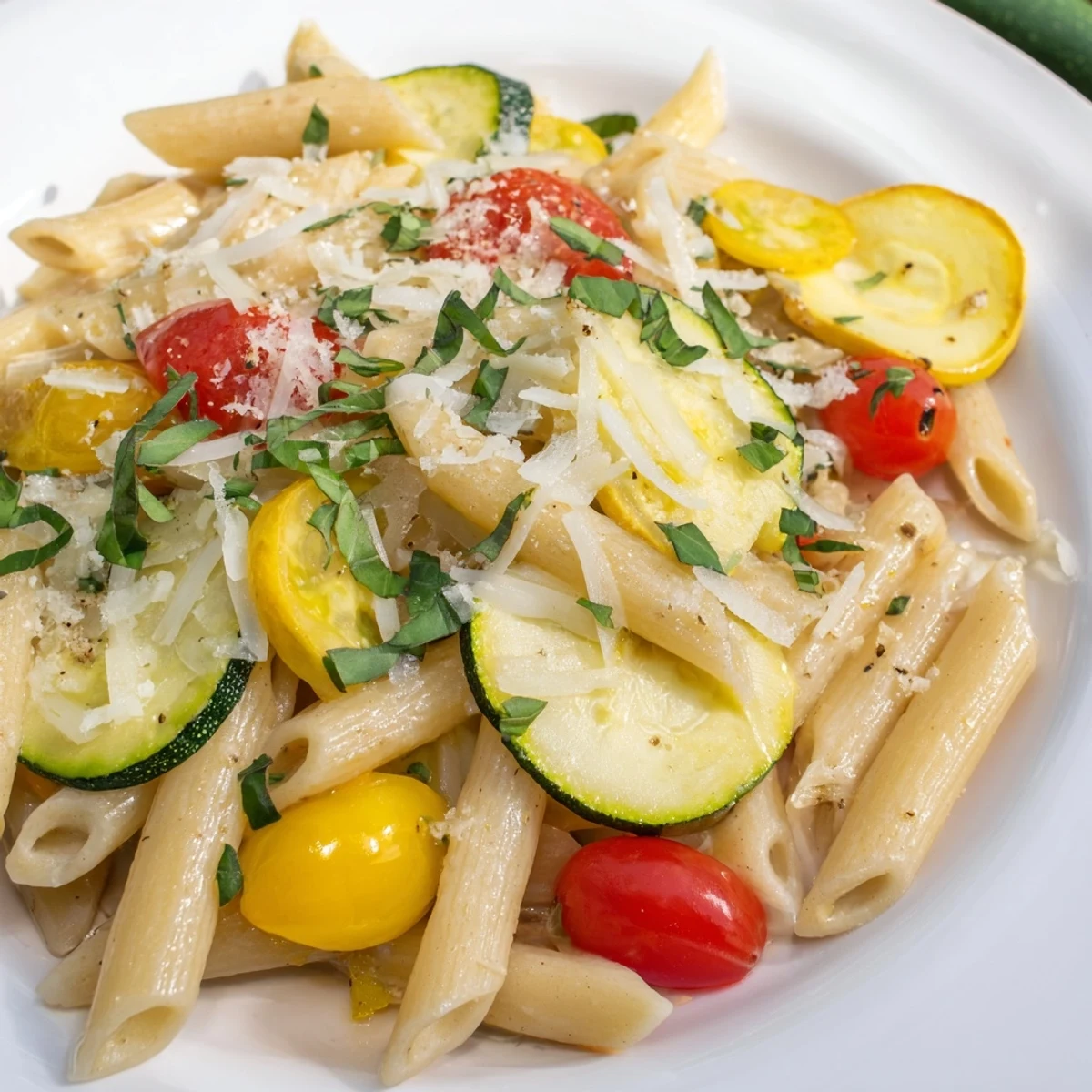
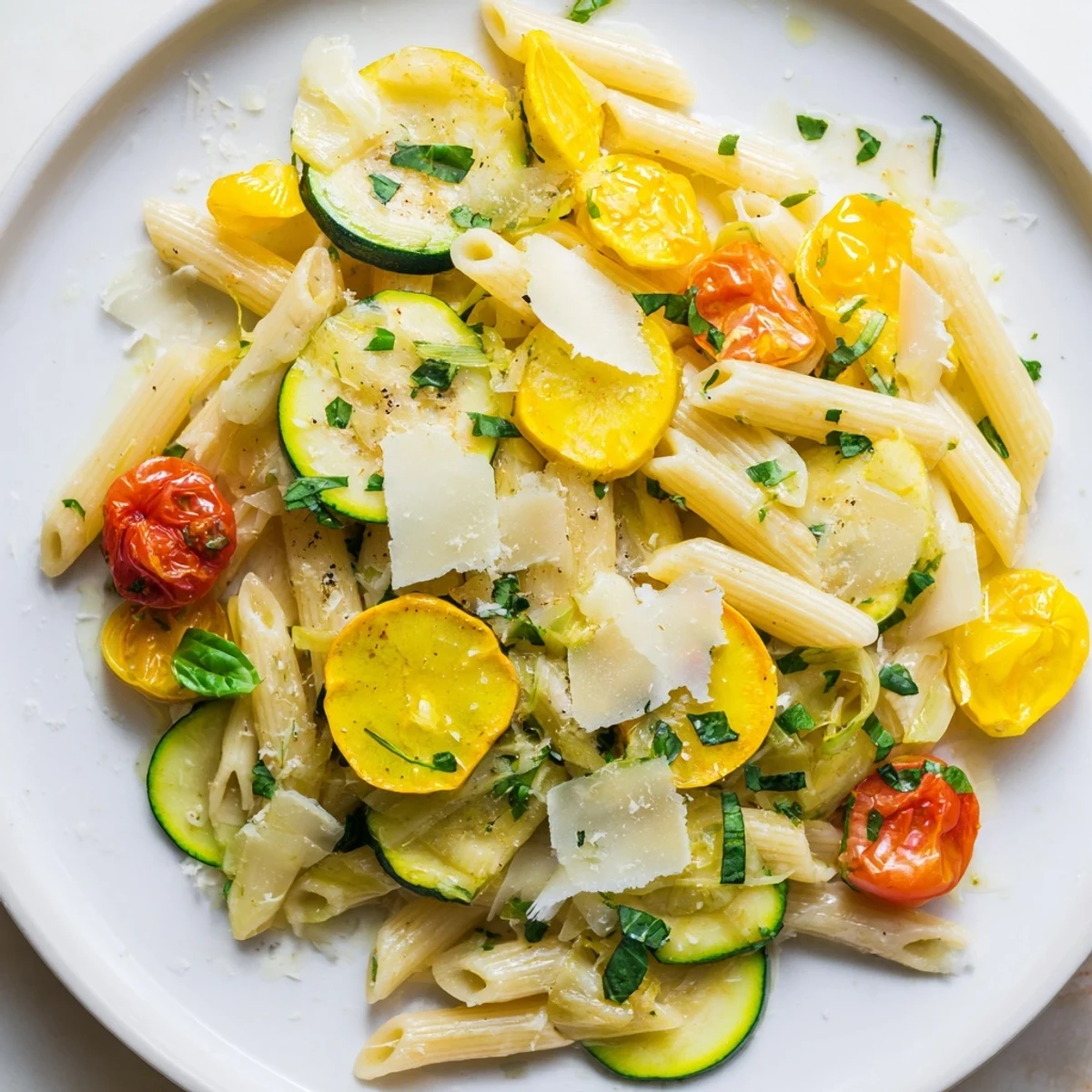
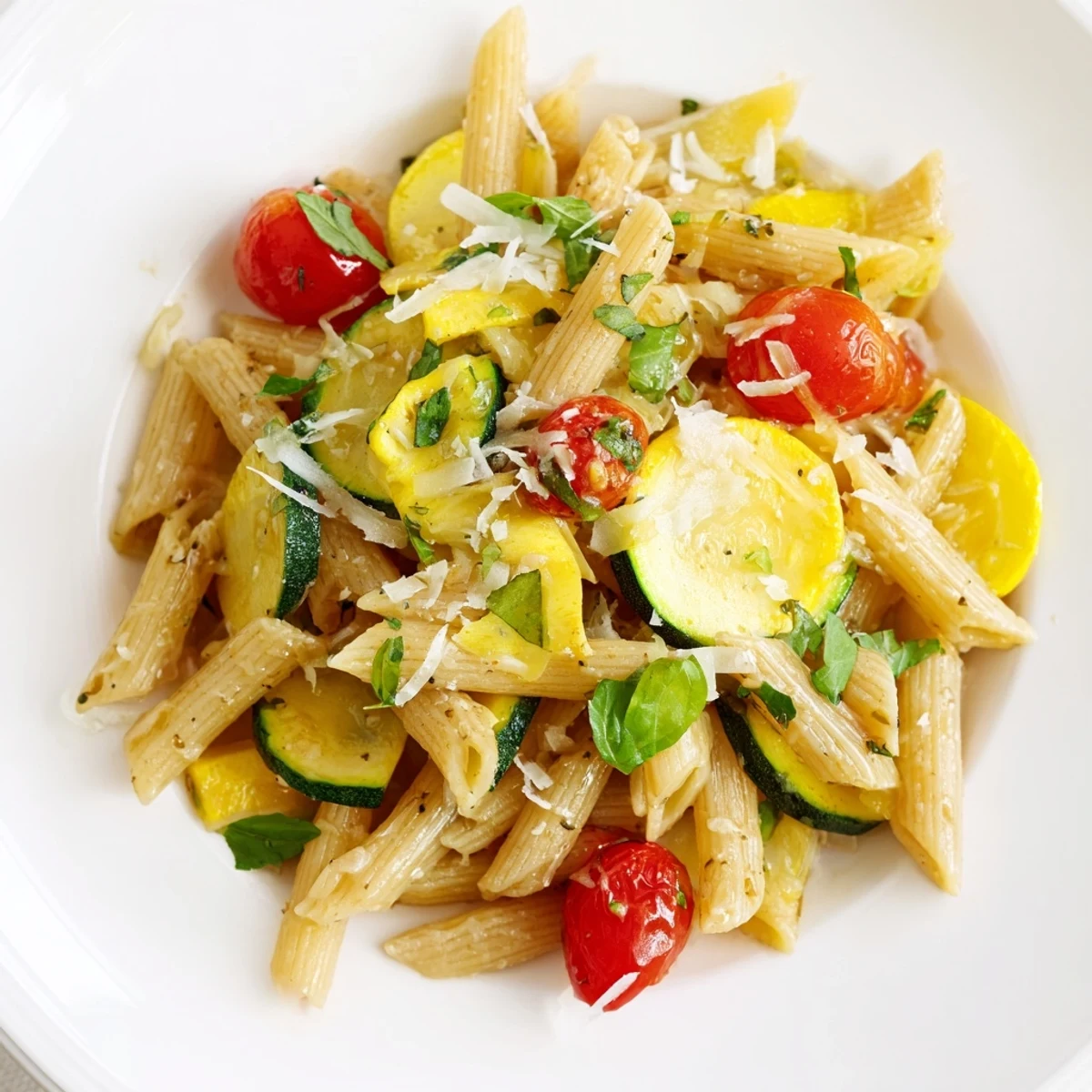
 This one-pan skillet brings together tender summer squash and zucchini with sweet cherry tomatoes, aromatic garlic, and fragrant fresh basil and parsley. The pasta cooks separately until perfectly al dente, then joins the vegetables in a light, savory sauce created with reserved pasta water and a splash of premium olive oil. Ready in just 35 minutes, this vegetarian dish offers bright Mediterranean flavors while remaining simple enough for busy weeknights. Optional red pepper flakes add gentle warmth, while Parmesan cheese provides a salty finish—though it's easily adapted for vegan preferences.
Last August, my neighbor dropped off a grocery bag bursting with summer squash from her garden. I stared at it for days, then threw together this pasta in a desperate attempt to use them up before they went bad. Now it is the only way I want to eat squash all season long.
My sister was visiting when I first made this for dinner. She watched me toss cherry tomatoes into the pan and was skeptical that they would work, but when she tasted that burst of sweet juice mixed with the savory squash, she asked for seconds immediately.
Ingredients
- 2 medium yellow summer squash: These bring a subtle sweetness that balances beautifully with the garlic and herbs. Slice them about 1/4 inch thick so they cook through without falling apart.
- 1 small zucchini: Adds lovely color variance and a slightly different texture. Keep the skin on for that vibrant green contrast against the yellow squash.
- 1 pint cherry tomatoes: They burst in the pan and create their own light sauce. Grape tomatoes work too but cherry tomatoes have better sweetness.
- 3 cloves garlic: Minced fresh, not jarred. The raw heat mellows perfectly in the olive oil and infuses the whole dish.
- 1 small yellow onion: Thinly sliced so they soften quickly and meld into the background rather than staying crunchy.
- 340 g (12 oz) short pasta: Penne catches the sauce in its tubes, but rotini or fusilli work just as well. Short pasta holds up better than long strands here.
- 2 tbsp extra-virgin olive oil: This is your cooking fat and flavor base. Do not use plain olive oil, you need that grassy peppery note.
- 1/2 tsp crushed red pepper flakes: Optional but highly recommended. Just a subtle warmth that makes every bite interesting.
- 60 g (1/2 cup) freshly grated Parmesan cheese: Adds umami and a salty finish. If you are vegan, nutritional yeast or a cashew-based cheese works beautifully.
- 1/4 cup fresh basil leaves: Tear them by hand right before serving. Cutting basil bruises it and turns it bitter.
- 2 tbsp chopped fresh parsley: Brings a fresh grassy brightness that cuts through the richness.
Instructions
- Get your pasta water ready:
- Bring a large pot of salted water to a rolling boil. Cook the pasta until al dente, then reserve 1/2 cup of that starchy cooking liquid before draining. This liquid gold will help bind everything together later.
- Build your flavor base:
- Heat olive oil in a large skillet over medium heat. Add the sliced onion and let it soften for 2 to 3 minutes until translucent. You want it meltingly tender, not browned.
- Add the aromatic garlic:
- Stir in the minced garlic and cook for just 30 seconds until fragrant. Watch closely because garlic goes from perfect to burnt in seconds.
- Cook the summer squash:
- Add the summer squash and zucchini to the pan. Season with salt, pepper, and red pepper flakes if you like heat. Cook for 4 to 5 minutes until just tender, stirring occasionally.
- Introduce the tomatoes:
- Toss in the cherry tomatoes and cook for 3 minutes, stirring often. They will start to wrinkle and burst, releasing their juices to create a light sauce in the pan.
- Bring it all together:
- Add the drained pasta to the skillet and toss everything to combine. Splash in some of that reserved pasta water as needed to create a silky coating that clings to every piece of pasta.
- Finish with fresh herbs and cheese:
- Remove the pan from heat and stir in the Parmesan, torn basil, and chopped parsley. Taste and add more salt or pepper if needed. The residual heat will wilt the herbs just enough.
 Pin it
 This dish has become my go-to when friends drop by unexpectedly. It looks impressive with all those colors but comes together so casually that I never feel stressed about getting it on the table.
Perfecting The Pasta Texture
Cook your pasta until it is just barely al dente, maybe even a minute under the package time. It will continue cooking in the skillet when you toss it with the vegetables, so starting slightly underdone prevents mushy pasta. I learned this after one too many dinners where my pasta turned into soft noodles instead of maintaining that satisfying bite.
Seasoning As You Go
Salt each layer as you cook rather than waiting until the end. When you salt the squash and tomatoes while they cook, the seasoning penetrates the vegetables instead of just sitting on the surface. This small adjustment transformed this dish from okay to absolutely craveable for me.
Making It Your Own
The beauty of this recipe is how adaptable it is while still feeling cohesive. Once you have the basic technique down, you can tweak it to match whatever looks good at the market or what your garden is producing that week.
- Add cannellini beans for protein without changing the summer vibe
- Stir in a handful of baby spinach at the end for extra nutrition
- Top with toasted pine nuts or walnuts for a lovely crunch
 Pin it
 This pasta captures everything I love about summer cooking in one skillet. Simple ingredients, minimal effort, and maximum satisfaction.
Recipe FAQs
- → Can I make this dish ahead of time?
-
This skillet tastes best when served immediately, but you can prep components in advance. Slice vegetables up to a day ahead and store them in airtight containers in the refrigerator. The pasta can be cooked slightly underdone and tossed with olive oil to prevent sticking. Reheat everything together in the skillet, adding a splash of water or broth to loosen the sauce.
- → What other vegetables work well in this skillet?
-
Bell peppers, eggplant, or spinach make excellent additions. Consider adding roasted red peppers for sweetness or sun-dried tomatoes for depth. If including heartier vegetables like bell peppers or eggplant, add them earlier in the cooking process to ensure they become tender.
- → Which pasta shape works best?
-
Short pasta shapes like penne, rotini, or fusilli are ideal because their nooks and crannies catch the light sauce effectively. Orecchiette or small shells would also work beautifully. Avoid long strands like spaghetti or linguine, as they're harder to toss evenly with chunky vegetables.
- → How can I add more protein?
-
Grilled chicken strips, sautéed shrimp, or cannellini beans pair beautifully with the Mediterranean flavors. For a vegetarian protein boost, stir in white beans during the last few minutes of cooking. If adding meat, cook it separately and incorporate it when combining the pasta with the vegetables.
- → Can I use frozen squash instead of fresh?
-
Fresh squash yields the best texture, but frozen can work in a pinch. Thaw frozen squash completely and pat it dry thoroughly before cooking to prevent excess moisture. Note that frozen squash may become slightly softer during cooking, so reduce the cooking time by 1–2 minutes.
