
 Pin it
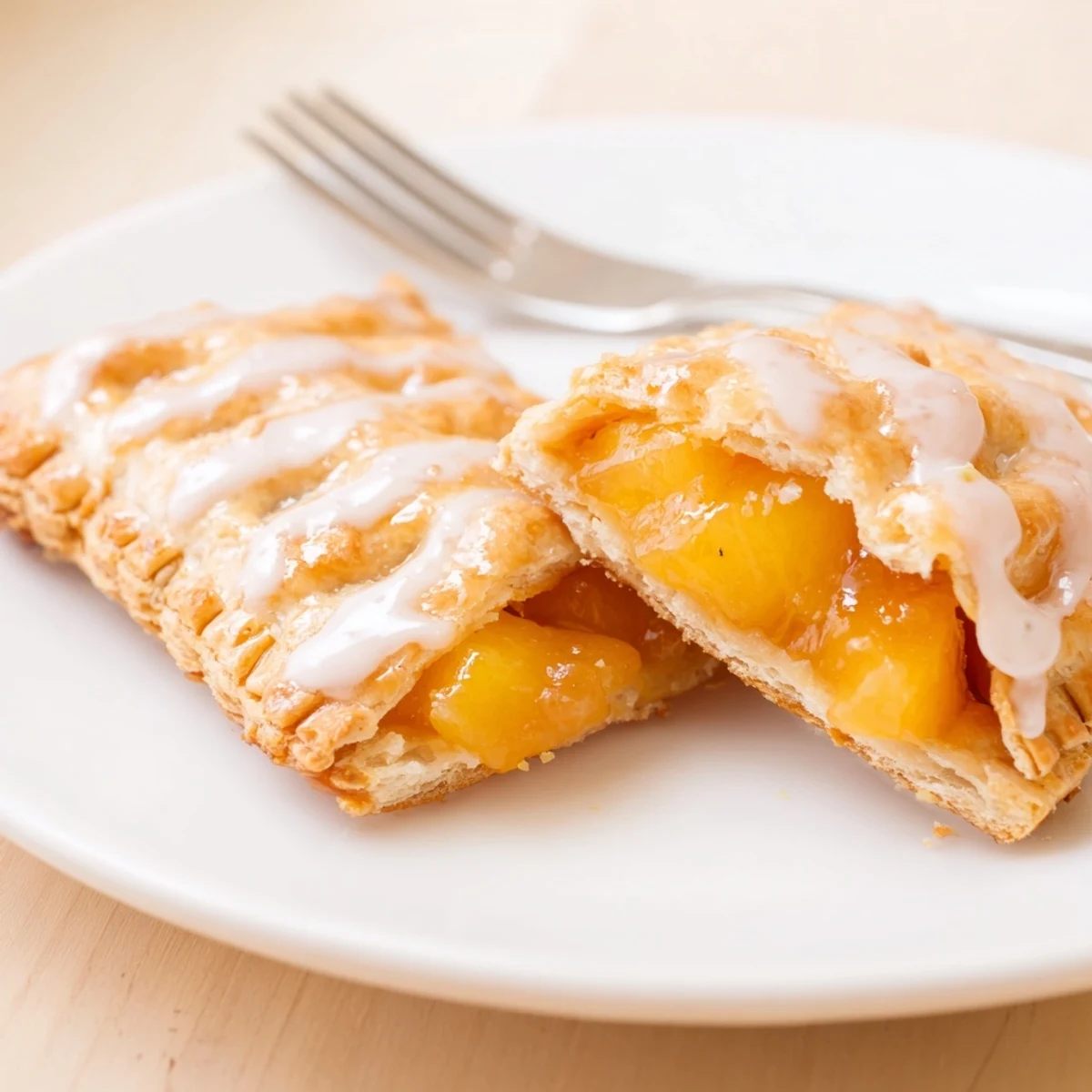
 Make tender, flaky pastry by cutting cold butter into flour, chilling, and rolling to 1/8-inch thickness. Cook diced peaches with sugar, lemon, and cornstarch until thick, cool, then spoon into dough rectangles. Seal, egg-wash, and bake 20–25 minutes until golden. Finish with a simple powdered sugar glaze and optional sprinkles. Yield: 8; total time ~55 minutes.
The smell of peaches cooking on the stove always yanks me straight back to Saturday mornings when the only agenda was eating something sweet in pajamas. My grandmother would set a plate of toaster pastries in front of me, and I would eat them corner by corner, saving the frosted edge for last. These homemade peach pop tarts are my grownup love letter to that ritual, but with a buttery crust that no foil wrapper could ever replicate.
One August afternoon I brought a tray of these to a porch potluck and watched three adults abandon conversation mid sentence to grab seconds. My friend David held one up to the light like he was inspecting a gemstone and said the glaze alone was worth the drive over. That is the kind of dish this is, unpretentious but impossible to ignore.
Ingredients
- All purpose flour (2 1/2 cups, 315 g): The backbone of a tender crust so measure by spooning into the cup and leveling off.
- Granulated sugar (1 tbsp for pastry, 1/4 cup for filling): Just a whisper in the dough keeps it flaky without turning sweet.
- Salt (1 tsp): Do not skip this or your pastry will taste flat no matter how good the filling is.
- Unsalted butter (1 cup, 225 g, cold and cubed): Cold butter is nonnegotiable here, freeze it for ten minutes before cutting it in.
- Ice water (1/3 cup, 80 ml): Add it gradually because dough humidity changes with the weather and you want it just held together.
- Fresh peaches (1 1/2 cups, 225 g diced): Ripe but firm peaches give the best texture, frozen works too if you thaw and drain them well.
- Lemon juice (1 tbsp): A squeeze of acid keeps the peach color bright and balances the sweetness.
- Cornstarch (1 tbsp): This is what turns juicy peaches into a filling that stays put instead of flooding your pastry.
- Large egg (1, beaten): Egg wash gives that golden shine and helps seal the edges so nothing leaks out.
- Powdered sugar (1 cup, 120 g): The glaze base, sift it first or you will fight lumps the whole time.
- Milk (2 to 3 tbsp): Start with two and add more drop by drop until the glaze falls in ribbons.
- Vanilla extract (1/2 tsp): A small amount rounds out the glaze without overpowering the peach flavor.
- Colored sprinkles (optional): Completely optional but they make people smile and that counts for something.
Instructions
- Build the dough:
- Whisk flour, sugar, and salt in a large bowl then cut in the cold butter until the mixture looks like coarse crumbs with some pea sized pieces remaining. Add ice water a splash at a time, stirring gently until the dough just holds together when you squeeze it.
- Chill and rest:
- Divide the dough into two equal disks, wrap each tightly in plastic, and let them relax in the fridge for at least thirty minutes. This rest firms the butter and relaxes the gluten so your crust stays flaky not tough.
- Simmer the peaches:
- Toss diced peaches, sugar, lemon juice, and cornstarch into a saucepan over medium heat, stirring often until the mixture thickens and turns glossy, about five to seven minutes. Let it cool completely because warm filling will melt your dough into a sad puddle.
- Prep for baking:
- Heat your oven to 400 degrees Fahrenheit and line a baking sheet with parchment paper so nothing sticks.
- Roll and cut:
- Roll each chilled disk on a lightly floured surface to about an eighth of an inch thick, then cut into three by four inch rectangles. You want sixteen total, eight bottoms and eight tops.
- Fill and seal:
- Place eight rectangles on your prepared sheet, spoon a rounded tablespoon of cooled peach filling into the center of each, and brush the edges with egg wash. Lay a second rectangle on top, press the edges with a fork to crimp them shut, and prick the tops a few times so steam can escape.
- Bake until golden:
- Brush the tops with the remaining egg wash and bake for twenty to twenty five minutes until the pastry is deeply golden and smells like butter heaven. Transfer to a wire rack and let them cool completely before glazing.
- Glaze and finish:
- Whisk powdered sugar, milk, and vanilla until smooth and pourable, then spread it over the cooled tarts. Add sprinkles while the glaze is still wet so they actually stick.
 Pin it
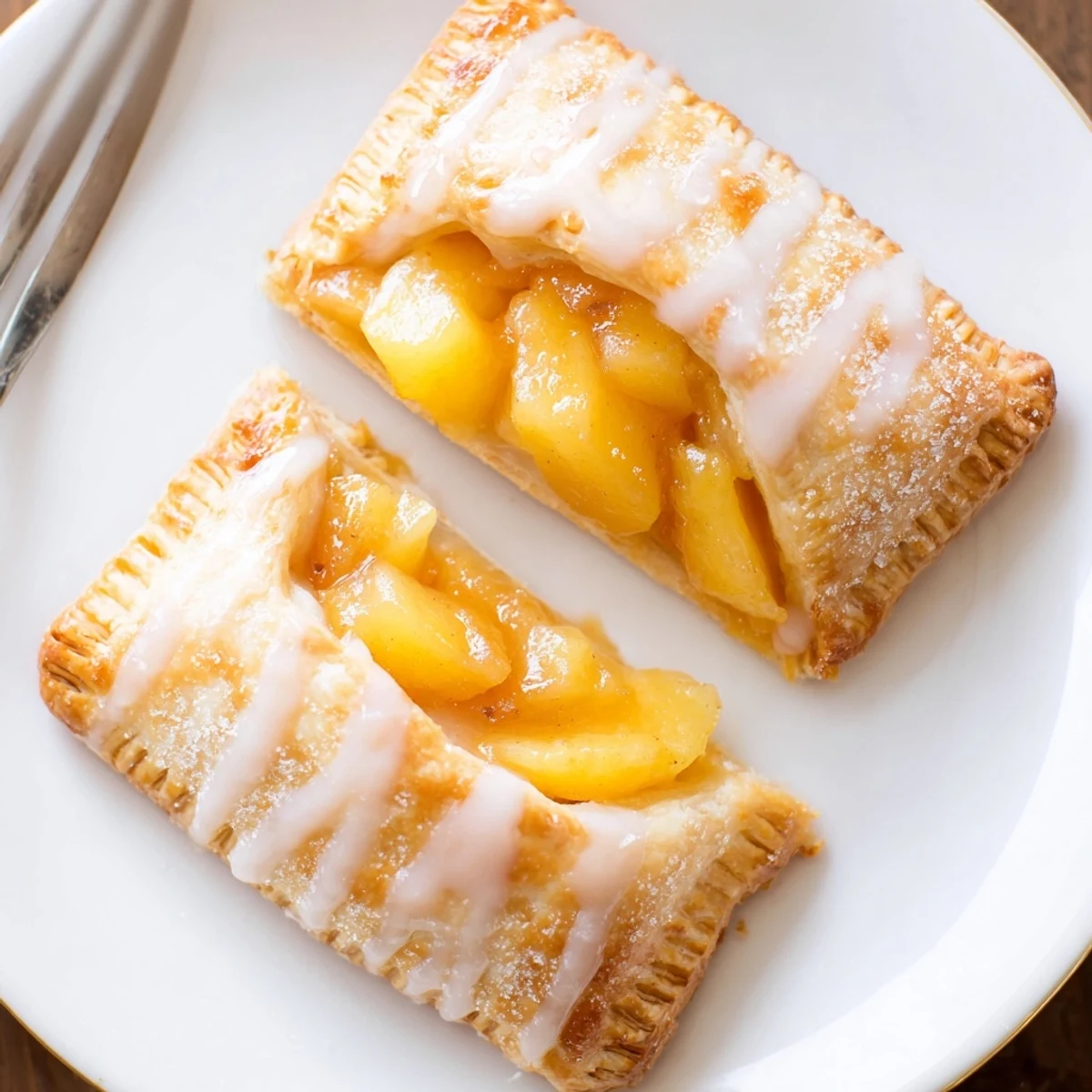
 The moment these cooled enough to handle, my niece picked one up, examined the fork crimped edges with serious concentration, and declared them fancier than anything from a store. She ate two before lunch and I did not stop her because some kitchen victories are worth bending the rules.
Swapping the Fruit
Apricots and nectarines step in beautifully when peaches are out of season, and each brings its own personality to the filling. Apricots lean tart and floral while nectarines keep things sweet and jammy. I once made a batch with half peaches and half apricots and the contrast was so good I now do it on purpose every summer.
Storing and Reheating
These keep well in an airtight container at room temperature for up to three days, though the glaze softens a bit overnight which honestly makes them even better. A quick ten second warm in the toaster oven brings back the flaky crust without turning them rubbery like a microwave would.
Making It Dairy Free
Coconut oil or a good vegan butter stick works surprisingly well in the dough if you keep everything ice cold. The texture shifts slightly toward shortbread but nobody at my table ever complained or even noticed the difference. The glaze already uses milk so just swap in whatever plant milk you have handy.
- Freeze your vegan butter for fifteen minutes before cubing it for the best results.
- Oat milk gives the most neutral flavor in the glaze compared to coconut or almond.
- Always check your sprinkles because some contain confectioners glaze which is not vegan.
 Pin it
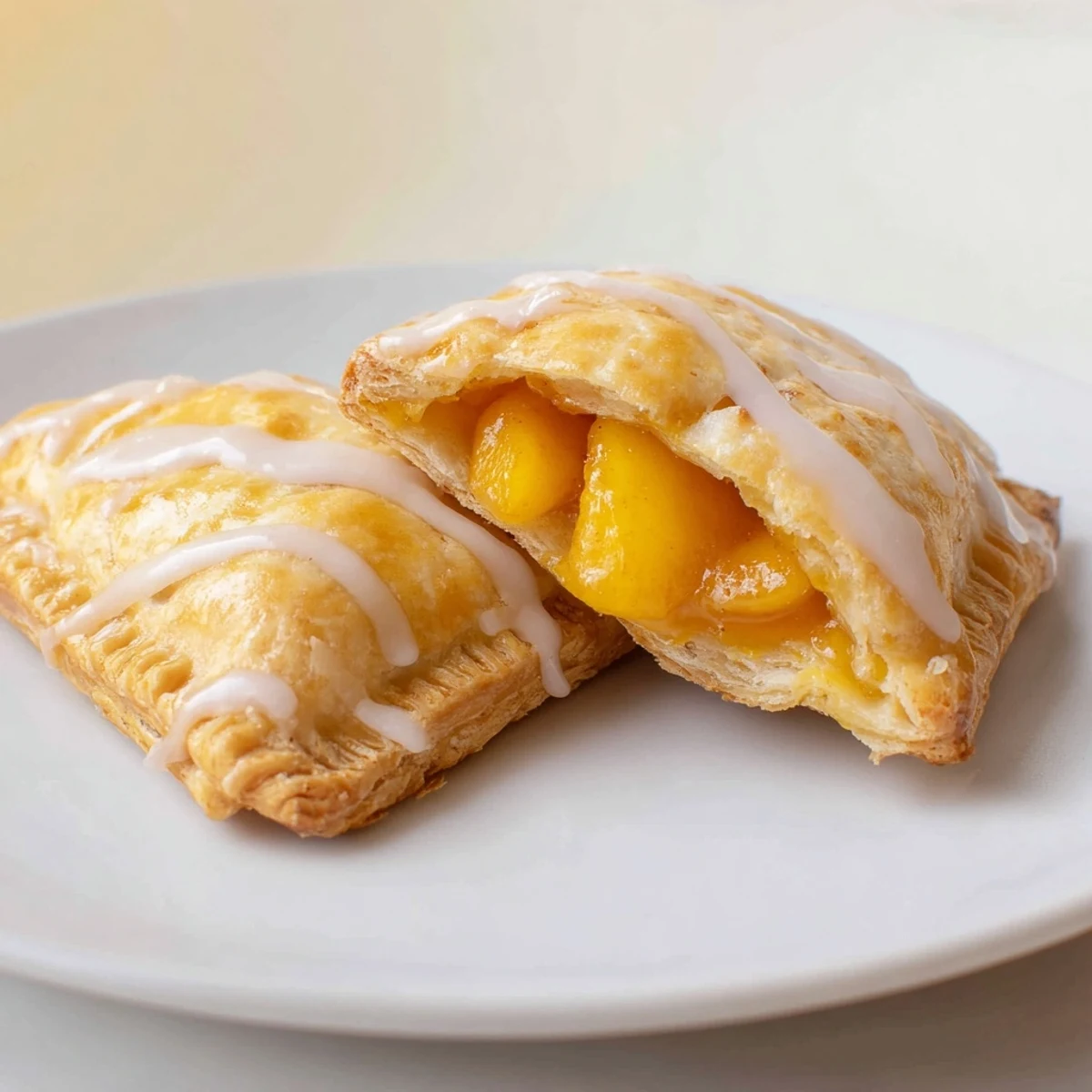
 These little pastries are proof that the best recipes are the ones that make you feel like a kid again while still impressing every adult at the table. Make them once and they will become a summer tradition you look forward to all year long.
Recipe FAQs
- → How do I keep the pastry flaky?
-
Use very cold butter and handle the dough minimally. Cutting cold butter into the flour and chilling the dough before rolling helps create distinct layers that bake up tender and flaky.
- → How thick should the peach filling be?
-
Cook peaches with sugar, lemon juice, and cornstarch until the mixture is noticeably thick and glossy. It should hold shape when spooned but still be moist — too thin and it can make the pastry soggy.
- → Can I freeze the assembled tarts?
-
Yes. Freeze unbaked, sealed tarts on a tray until firm, then transfer to a container. Bake from frozen, adding a few extra minutes to the baking time to ensure the pastry cooks through.
- → What dairy-free swaps work in the dough?
-
Replace butter with solid coconut oil or a firm vegan butter. Keep it cold and cubed, and handle the dough the same way to preserve flakiness.
- → How do I prevent a soggy bottom?
-
Drain cooked filling well and cool completely before assembling. Roll dough evenly to about 1/8-inch and avoid overfilling each pocket so excess moisture doesn’t seep into the pastry.
- → Best way to reheat for serving?
-
Warm gently in a 325°F (160°C) oven for 5–8 minutes to refresh the crispness without overbrowning. Avoid the microwave, which can make the pastry soft.
