
 Pin it
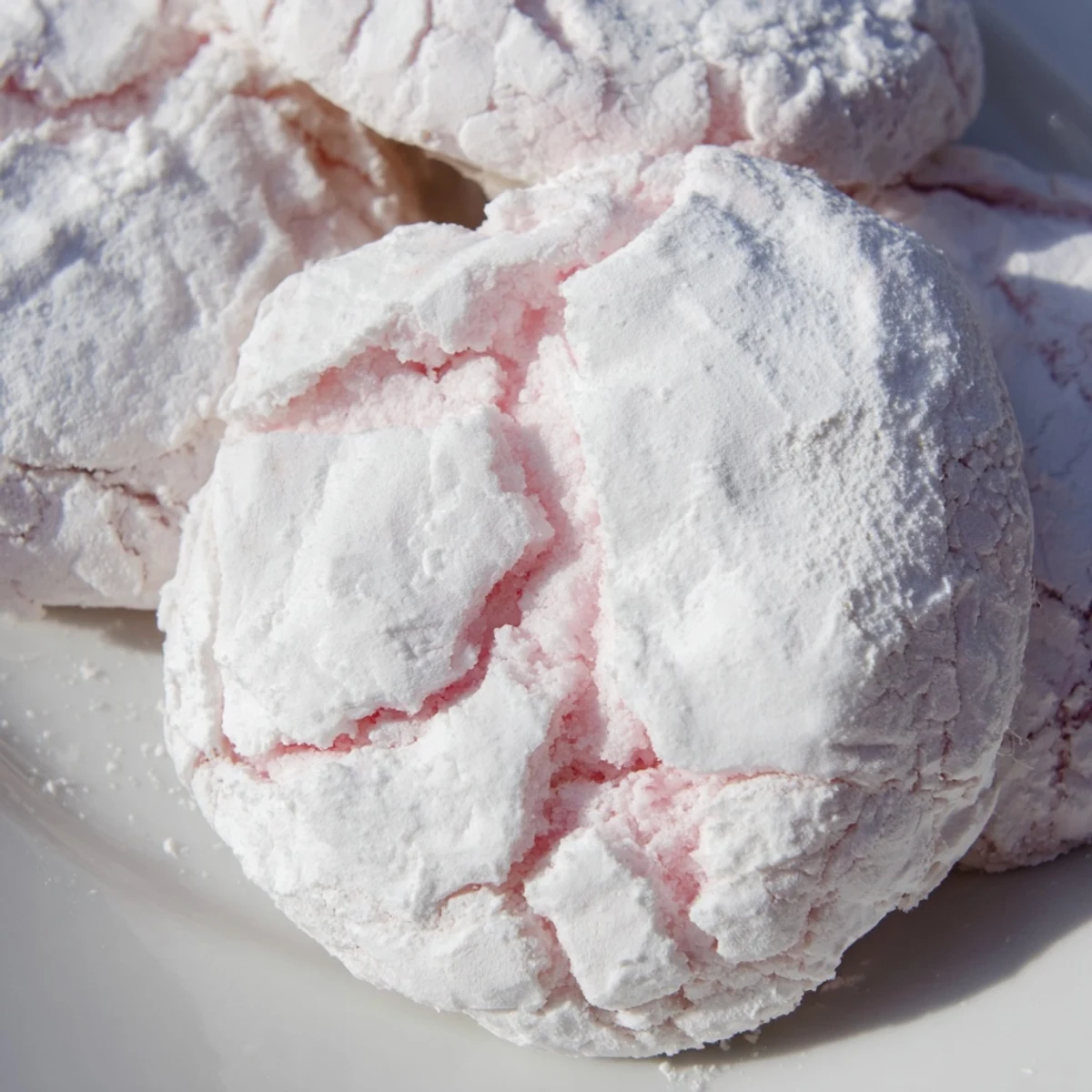
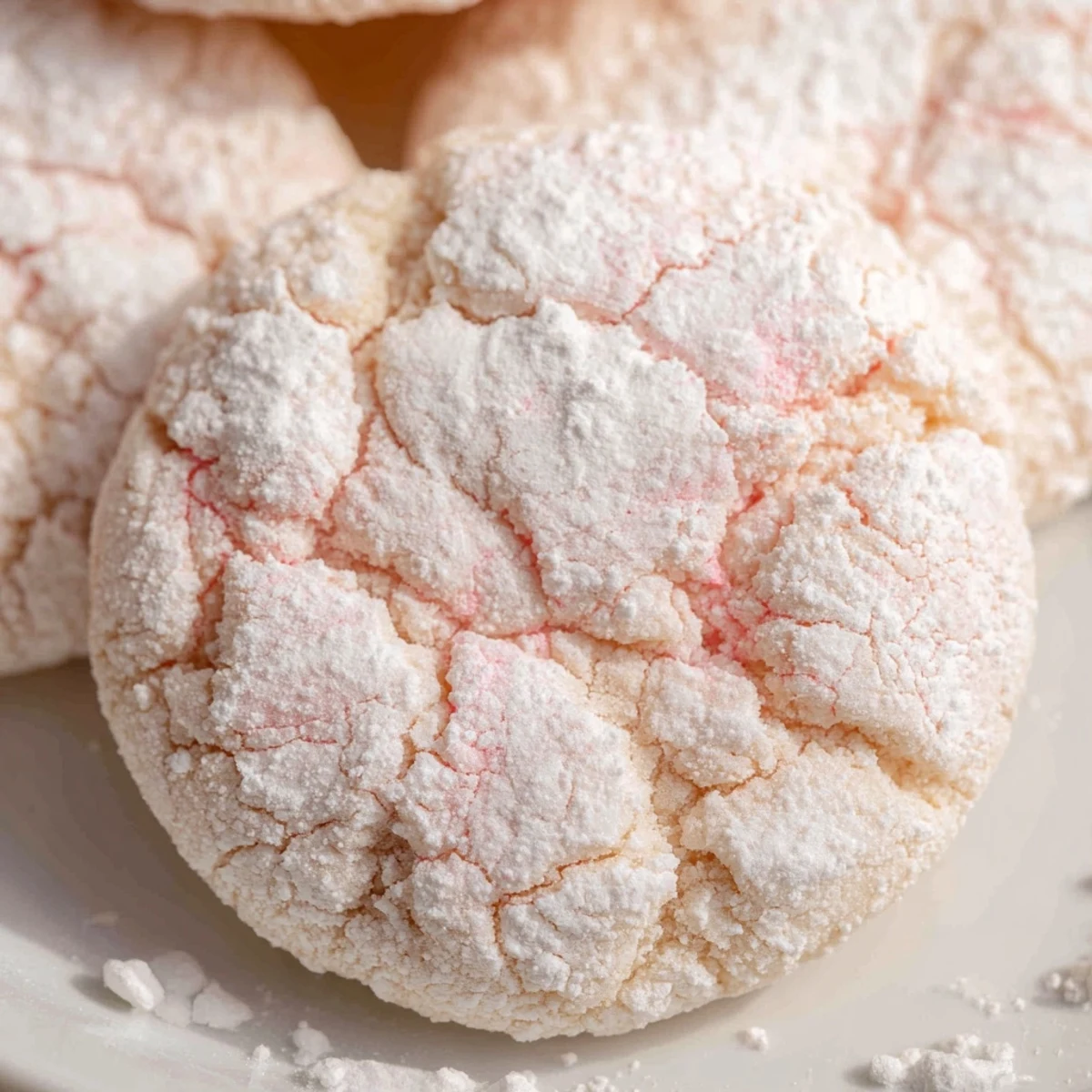
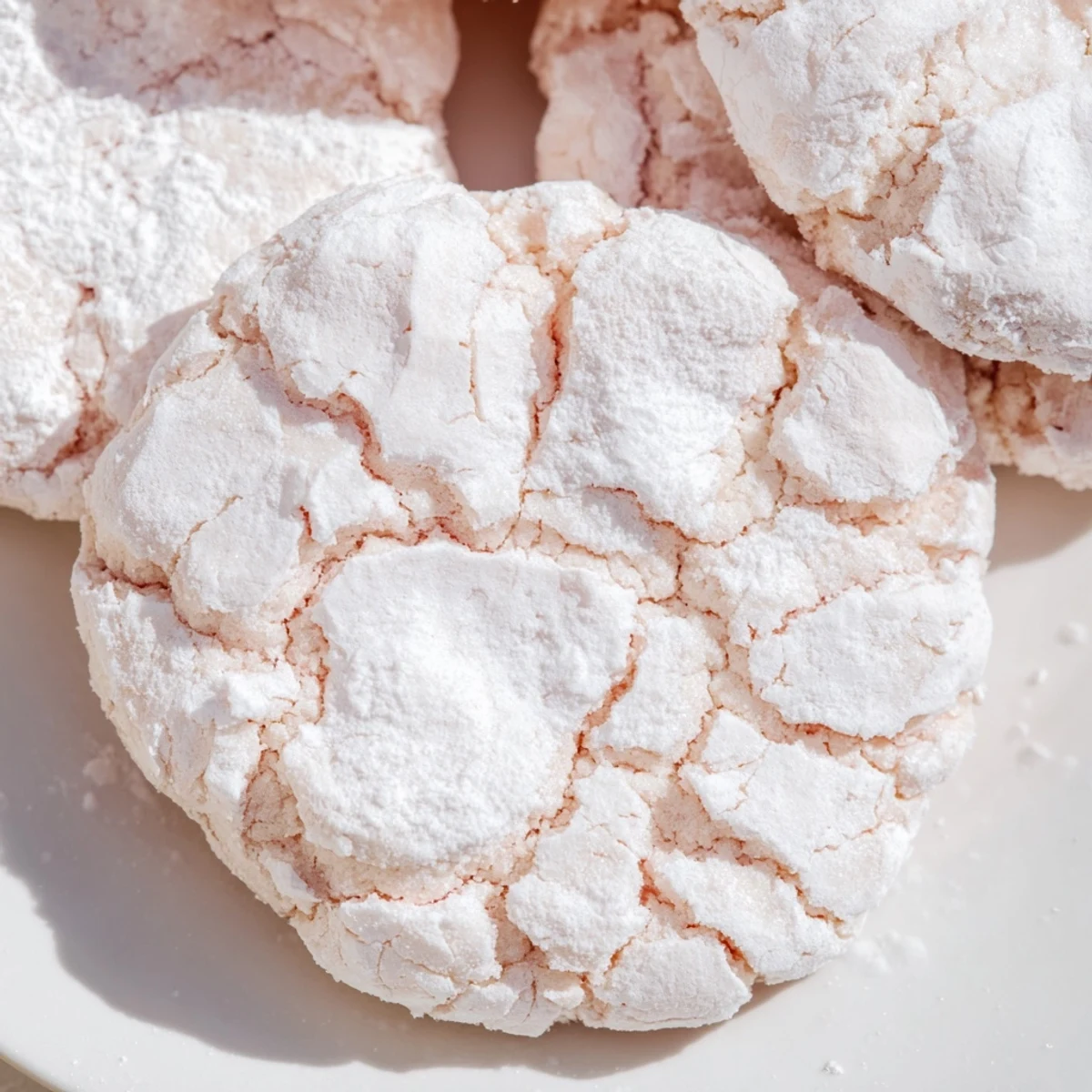
 Create stunning soft, chewy cookies featuring beautiful crackled tops coated in powdered sugar. These pastel-colored treats showcase pink, yellow, green, and blue hues that make them ideal for spring gatherings, baby showers, or birthday celebrations. The dough comes together quickly with basic pantry ingredients, while gel food coloring delivers those signature delicate shades. A brief chill ensures perfect texture, and rolling in powdered sugar before baking creates that iconic crinkled appearance everyone loves.
My apartment smelled like a bakery exploded in the best way possible. I had four bowls of pastel dough staring back at me—pink, yellow, mint, and sky blue—each one destined to become something that looked like edible clouds. A friend was coming over for tea and I wanted something that felt like spring on a plate, no matter what the calendar said.
The first time I made these, I accidentally dipped my hands straight into the blue bowl without thinking. My palms looked like Id been handling Smurfs all afternoon. But when they came out of the oven—sugar-crackled and impossibly soft—I forgot all about my blue-stained hands and just watched everyone reach for seconds.
Ingredients
- 2 cups (250 g) all-purpose flour: The foundation of everything—spoon and level it gently, dont pack it down or these clouds become dense little hockey pucks
- 1½ tsp baking powder: What gives them their rise, creating that irresistible puffed center beneath all that crackled sugar
- ¼ tsp salt: Just enough to wake up all the flavors without making anything taste salty
- ½ cup (115 g) unsalted butter, softened: Leave it out for exactly 30 minutes—too soft and your cookies spread, too cold and they stay thick in all the wrong places
- 1 cup (200 g) granulated sugar: Cream this thoroughly with the butter until it looks pale and fluffy, this step is worth every extra minute
- 2 large eggs: Room temperature eggs incorporate better and help keep the texture consistent
- 2 tsp vanilla extract: Pure vanilla makes all the difference here, nothing artificial competes with those delicate pastel colors
- ¼ cup (60 ml) whole milk: This keeps the dough tender and prevents the cookies from drying out too quickly
- Pink, yellow, green, and blue gel food coloring: Gel coloring is essential—liquid stuff will throw off your dough consistency and nobody wants sad, flat cookies
- ¾ cup (90 g) powdered sugar: The magic ingredient for that signature crackled exterior that makes these look professionally made
Instructions
- Preheat and prepare your space:
- Set your oven to 350°F (175°C) and line two baking sheets with parchment paper, making sure the paper lies completely flat so your cookies bake evenly
- Whisk the dry ingredients:
- In a medium bowl, combine flour, baking powder, and salt, whisking them together until theyre perfectly uniform
- Cream butter and sugar:
- Beat the softened butter and granulated sugar in a large bowl until the mixture looks pale, fluffy, and almost doubled in volume—this usually takes 2 to 3 minutes
- Add eggs and vanilla:
- Beat in the eggs one at a time, waiting until the first is fully incorporated before adding the second, then pour in the vanilla extract
- Combine wet and dry ingredients:
- Add the flour mixture in two parts, alternating with the milk, mixing just until everything comes together—overmixing here makes tough cookies
- Divide and color the dough:
- Split the dough evenly into 3 or 4 bowls, then tint each with gel coloring, mixing gently until you reach soft, dreamy pastel shades
- Chill if necessary:
- If the dough feels sticky or too soft to handle, pop the bowls in the refrigerator for 20 minutes to firm everything up slightly
- Roll in powdered sugar:
- Scoop tablespoon-sized portions, roll them generously in powdered sugar until completely coated, and place them 2 inches apart on the prepared baking sheets
- Bake until perfectly crackled:
- Bake for 10 to 12 minutes, removing them when the edges look set but the centers still feel soft and slightly underbaked
- Cool completely:
- Let the cookies rest on the baking sheet for 5 minutes before moving them to a wire rack to cool completely
 Pin it
 Last Easter, my niece declared these the most beautiful things shes ever seen and immediately asked if she could take the pink ones home in her pocket. The powdered sugar dusted her dress, her face, and somehow the dog, but watching her carefully choose each cookie like they were precious gems made every colorful bowl of dough worth it.
Getting the Perfect Crackle
The crackled exterior happens because the powdered sugar creates a thin crust that breaks apart as the cookie spreads in the oven. Rolling the dough balls thoroughly—really coating every surface—is what gives you those dramatic cracks instead of a smooth, disappointing surface. I once tried to rush this step and ended up with cookies that looked more sad than stunning.
Playing with Colors
Pastel shades work best because they feel delicate and springlike, but you could absolutely go bolder for different occasions. Gel coloring is concentrated, so start with the tiniest amount and add more gradually—you can always deepen the color, but you cant take it back once youve gone too far. A single drop goes surprisingly far.
Make-Ahead Magic
You can make the dough, color it, and refrigerate it for up to 2 days before baking. Let it sit at room temperature for about 15 minutes before rolling, otherwise the cold dough will fight you when you try to scoop it. Ive even frozen pre-scooped, sugar-coated balls on a baking sheet, then transferred them to a freezer bag for surprise visitors or midnight cravings.
- Place frozen dough balls directly on a lined baking sheet, adding 1 to 2 minutes to the baking time
- Let the baking sheets cool completely between batches—warm sheets make dough spread too fast
- These actually taste better on day two, if you can manage to save any that long
 Pin it
 These little pastel clouds have become my go-to for bringing something magical to ordinary afternoons. Sometimes we just need cookies that look like they came from a fairy tale bakery.
Recipe FAQs
- → Why do my cookies lose their crinkle pattern?
-
The crinkle effect happens when powdered sugar melts during baking while the dough spreads. Ensure your dough balls are generously coated in powdered sugar before baking, and don't over-bake them—remove when edges are set but centers still look slightly soft.
- → Can I use liquid food coloring instead of gel?
-
Liquid food coloring works but adds extra moisture to the dough, which may affect texture. Gel coloring provides concentrated pigment without altering the dough consistency. If using liquid, start with just one drop and add sparingly.
- → How long should I chill the dough?
-
Twenty minutes in the refrigerator is sufficient if the dough feels soft or sticky. This brief chill makes scooping and rolling easier without requiring lengthy waiting time. You can also skip chilling if working quickly in a cool kitchen.
- → Can I freeze the dough or baked cookies?
-
Yes! Scoop dough balls and freeze them on a baking sheet before transferring to a freezer bag. Roll in powdered sugar just before baking and add 1-2 minutes to baking time. Baked cookies freeze well for up to 3 months when stored in airtight containers.
- → What causes the crackled tops?
-
The contrast between the powdered sugar coating and expanding dough creates beautiful cracks. As cookies bake, they spread while the sugar crust forms, causing the surface to split into distinctive crinkle patterns. Proper coating and oven temperature are key.
- → Can I make these cookies gluten-free?
-
Substitute all-purpose flour with a 1-to-1 gluten-free flour blend containing xanthan gum. The texture may vary slightly, but the crinkle effect still works beautifully. Ensure all other ingredients are certified gluten-free as well.
