
 Pin it
 These bakery-style bagels combine the tangy complexity of naturally fermented sourdough with the rich sweetness of slowly caramelized onions. The overnight fermentation develops deep flavor while creating that distinctive chewy texture bagel lovers crave. Each batch yields eight golden rounds with crisp exteriors and tender, airy interiors.
The process begins with active sourdough starter blended with bread and whole wheat flours. After a initial rise, the dough shapes into classic rings with generous center holes. An overnight cold proof enhances flavor development and creates the perfect texture. The traditional boiling step with malt syrup ensures that signature shiny crust and satisfying chew.
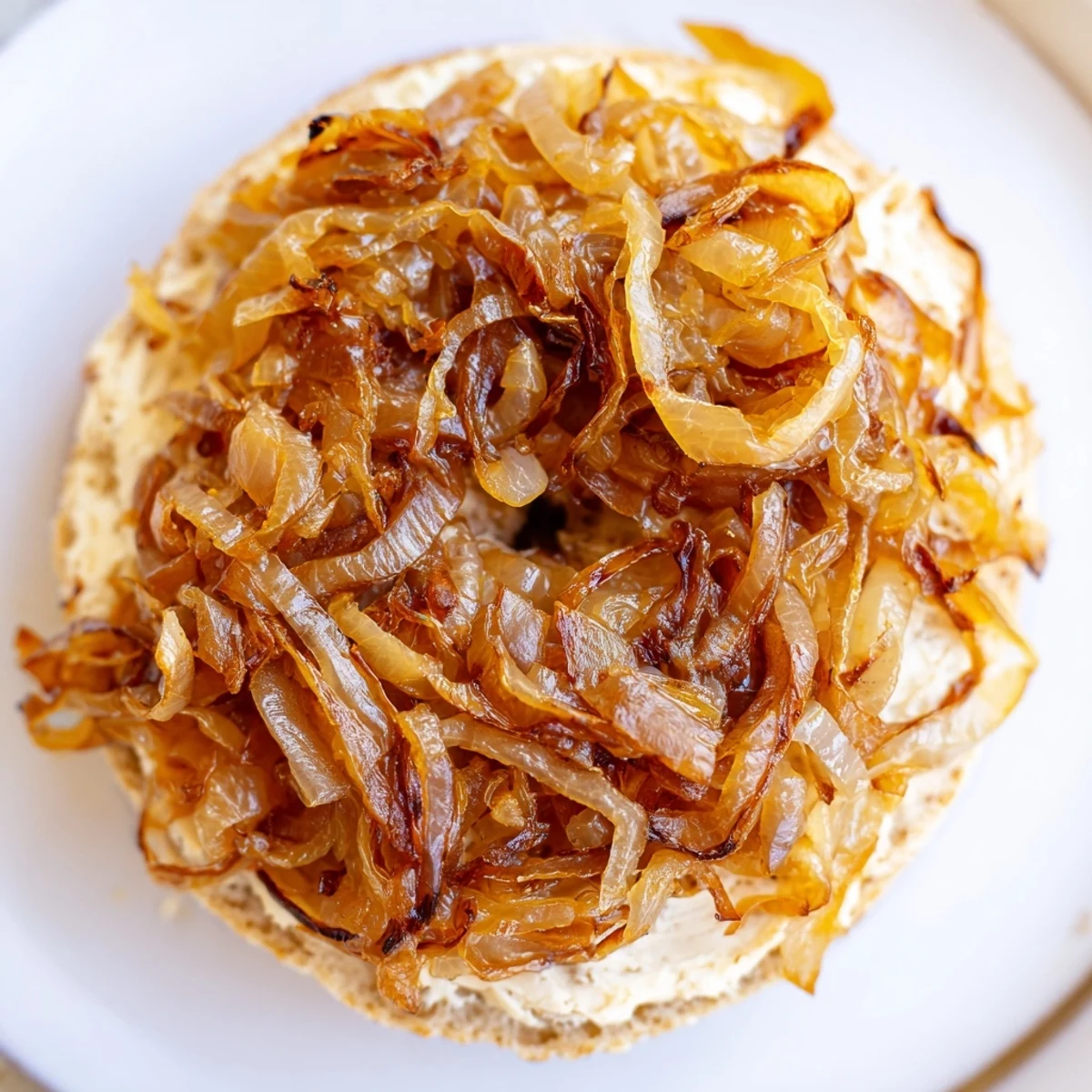
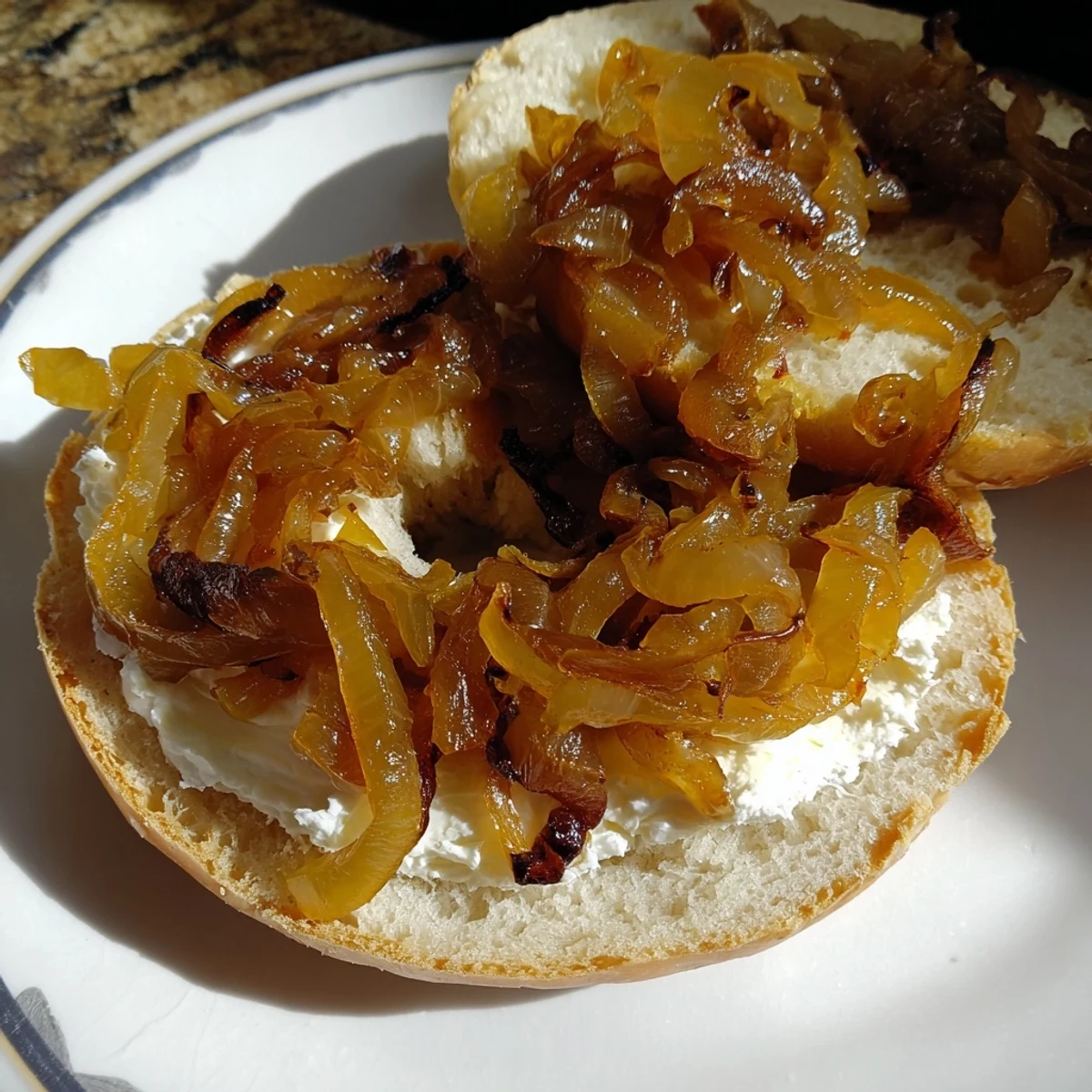
Caramelized onions, cooked slowly until deep golden and sweet, crown each bagel before baking. The high-heat oven finishes them to golden perfection, creating lightly crisp tops that give way to tender interiors. These keep well for days and freeze beautifully for months.
Theres something magical about waking up to a kitchen that smells like caramelized onions and fresh bread. My first attempt at sourdough bagels came from a fridge full of starter and a serious craving. The morning they came out of the oven, golden and chewy, I knew Id never go back to store-bought again.
Last winter my neighbor smelled these baking through our shared wall and knocked on my door with a tub of cream cheese. Now we make them together every Sunday morning, taking turns watching the onions caramelize while drinking coffee.
Ingredients
- 100 g active sourdough starter: This creates the tangy flavor and chewy texture. Use starter fed within the last 8 hours.
- 400 g bread flour plus 50 g whole wheat: The bread flour provides structure while whole wheat adds depth and helps the onions stick.
- 250 ml warm water and 1 tbsp honey: Feeds the starter and helps browning. The water should be body temperature.
- 10 g fine sea salt: Essential for flavor and tightening the gluten structure.
- 1 large yellow onion, thinly sliced: Sweet onions work best. Slice them as thin as possible for even caramelization.
- 1 tbsp olive oil plus 1/2 tsp salt: For slow cooking the onions into jammy sweetness.
- 1 tbsp barley malt syrup: The traditional bagel boiling secret. Honey works in a pinch.
- 2 liters water: For the boiling bath that creates the signature chewy crust.
Instructions
- Caramelize the onions:
- Heat olive oil in a skillet over medium-low heat. Add sliced onions and salt. Cook slowly, stirring occasionally, for 20 to 25 minutes until deeply browned and sweet. Let them cool completely before using.
- Mix the dough:
- Combine starter, warm water, and honey in a large bowl until dissolved. Add both flours and salt. Mix until a rough dough forms, then knead on a floured surface for 8 to 10 minutes until smooth and elastic.
- Let the dough rise:
- Place dough in a lightly oiled bowl, cover, and rest at room temperature for 4 to 6 hours until doubled. The sourdough needs time to work its magic.
- Shape the bagels:
- Divide dough into 8 equal pieces. Roll each into a tight ball. Poke your finger through the center and gently stretch to form a 2-inch hole. Place on a parchment-lined sheet.
- Proof overnight:
- Cover loosely and let proof at room temperature for 1 hour, then refrigerate for 8 to 12 hours. This cold rest develops flavor and creates a better crumb.
- Preheat and prepare water bath:
- Preheat oven to 220°C (425°F). Bring 2 liters of water and malt syrup to a gentle boil in a large pot.
- Boil the bagels:
- Remove bagels from the fridge. Boil each one for 45 seconds per side using a slotted spoon. They should puff slightly.
- Top and bake:
- Return boiled bagels to the baking sheet. Press caramelized onions onto the tops immediately while wet. Bake for 20 to 25 minutes until deeply golden and crisp.
- Cool completely:
- Let bagels rest on a wire rack for at least 30 minutes before slicing. This finishes the cooking process and prevents gummy interiors.
 Pin it
 My brother took a batch of these on a camping trip and said they toasted over the campfire were the best breakfast hes ever had outdoors. Now he requests them before every trip.
Getting the Right Boil
The water should be at a gentle simmer, not a rolling boil. Too vigorous and the bagels can cook unevenly or lose their shape. The malt syrup or honey creates that shiny bakery finish.
Shaping Without Stress
If your bagel holes close up during baking, gently stretch them again before the overnight proof. Wet your fingers slightly to prevent sticking. A slightly larger hole than you think you need will bake up perfectly.
Storage and Freezing
These bagels freeze beautifully and actually taste better when toasted from frozen. Slice them before freezing so you can pop them directly into the toaster.
- Wrap individually in plastic then freeze in a bag
- Toast from frozen for 3 to 4 minutes
- Room temperature bagels stay fresh for 2 days
 Pin it
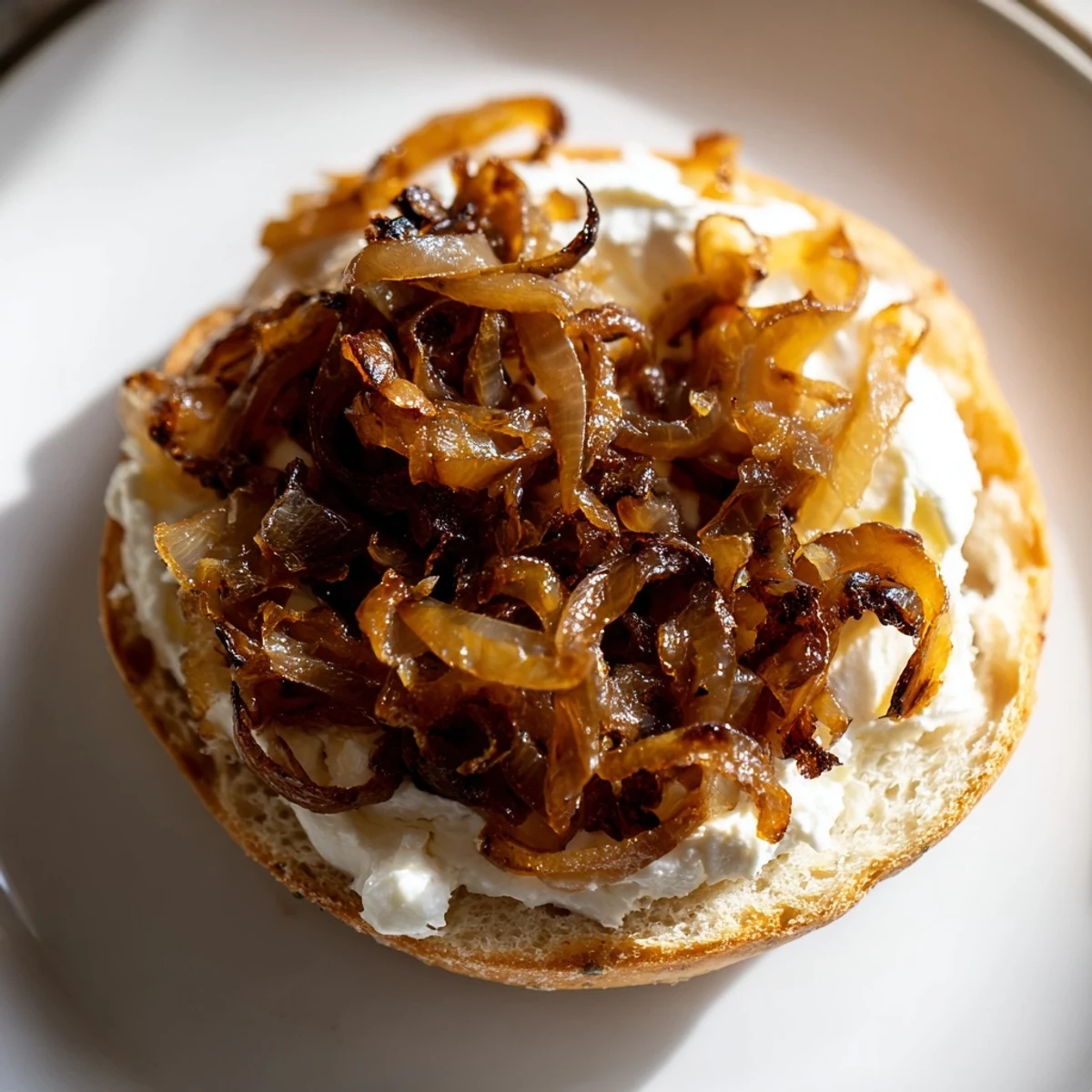
 Theres nothing quite like slicing into a fresh sourdough bagel you made yourself, still warm from the oven.
Recipe FAQs
- → What makes sourdough bagels different from regular ones?
-
Sourdough bagels use natural fermentation instead of commercial yeast, resulting in deeper flavor complexity, better digestibility, and a characteristic tangy taste that develops over the long fermentation period.
- → Can I skip the overnight refrigeration?
-
While possible, refrigerating overnight develops superior flavor and texture. The cold proof allows enzymes to break down starches, creating better structure and that authentic bakery taste you're seeking.
- → Why boil bagels before baking?
-
Boiling gelatinizes the surface starch, creating that distinctive shiny, chewy crust. The malt syrup adds subtle sweetness and helps achieve the deep golden color during baking.
- → How should I store these bagels?
-
Keep at room temperature for 2-3 days in a paper bag. For longer storage, slice and freeze individually for up to one month. Thaw briefly and toast directly from frozen for best results.
- → Can I make these without sourdough starter?
-
These specifically rely on active sourdough starter for leavening and flavor. Without starter, you'd need a different recipe using commercial yeast and adjusted hydration ratios.
